What Are Channel Letters?
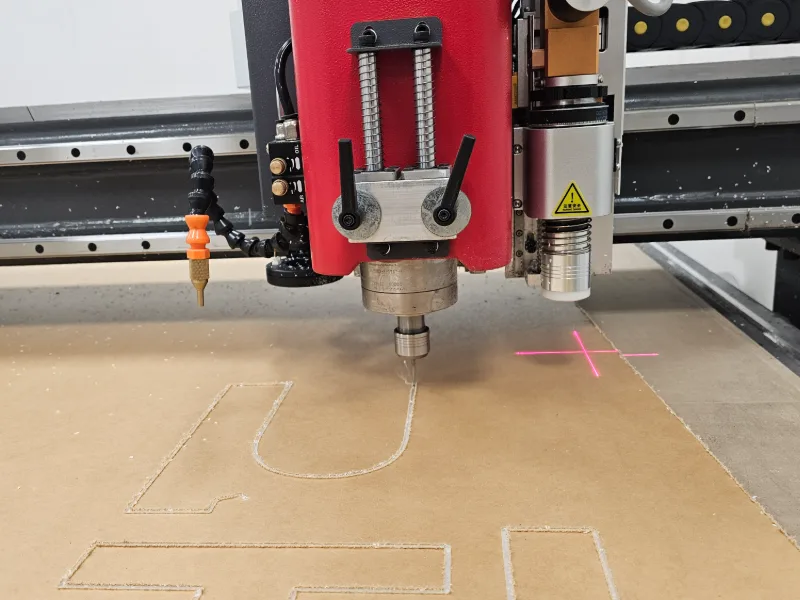
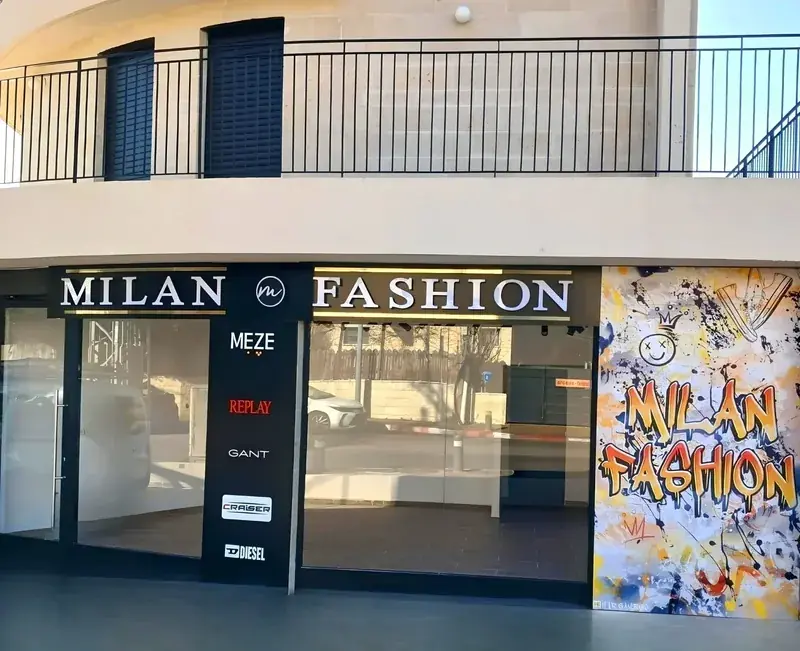
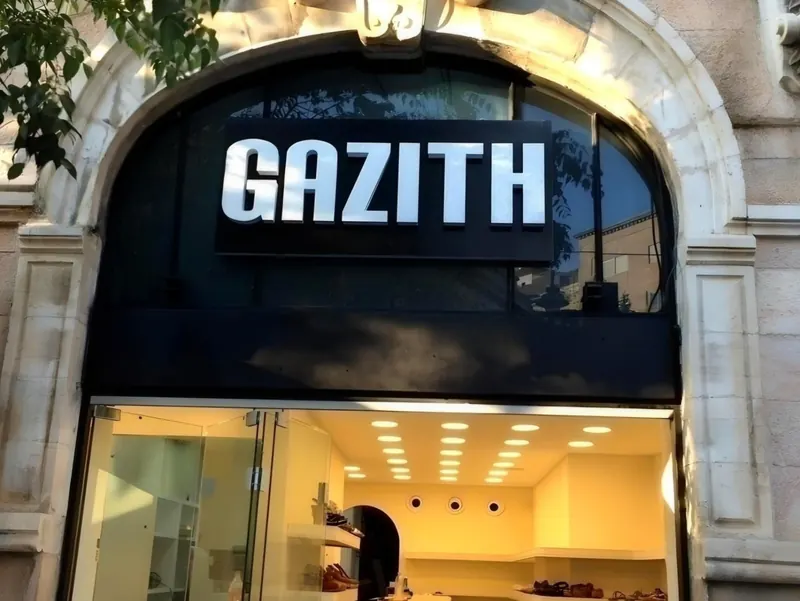
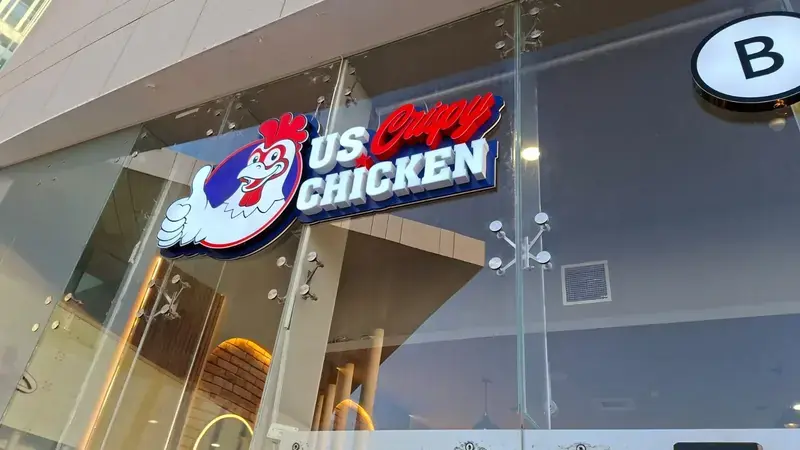
Channel letters are individual, three-dimensional letters fabricated from aluminum and acrylic. Each letter is a separate unit — a hollow metal channel with a translucent face — and contains LED modules that illuminate the letter from within. The result is a sign that reads clearly in daylight and glows distinctively at night, without requiring a backlit panel or cabinet.
This construction is what separates channel letters from flat printed signs, lightboxes, or vinyl graphics. Because each letter stands alone, the sign has depth, shadow, and dimension. It looks like part of the building rather than something applied to it.
Front-Lit, Halo-Lit, and Open-Face: Which Type Is Right for You?
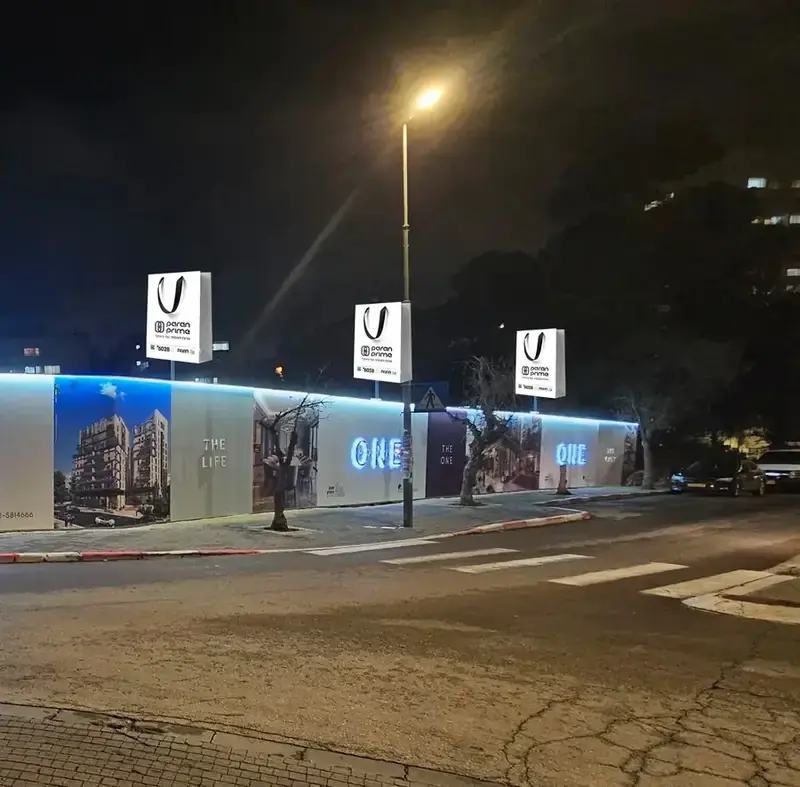
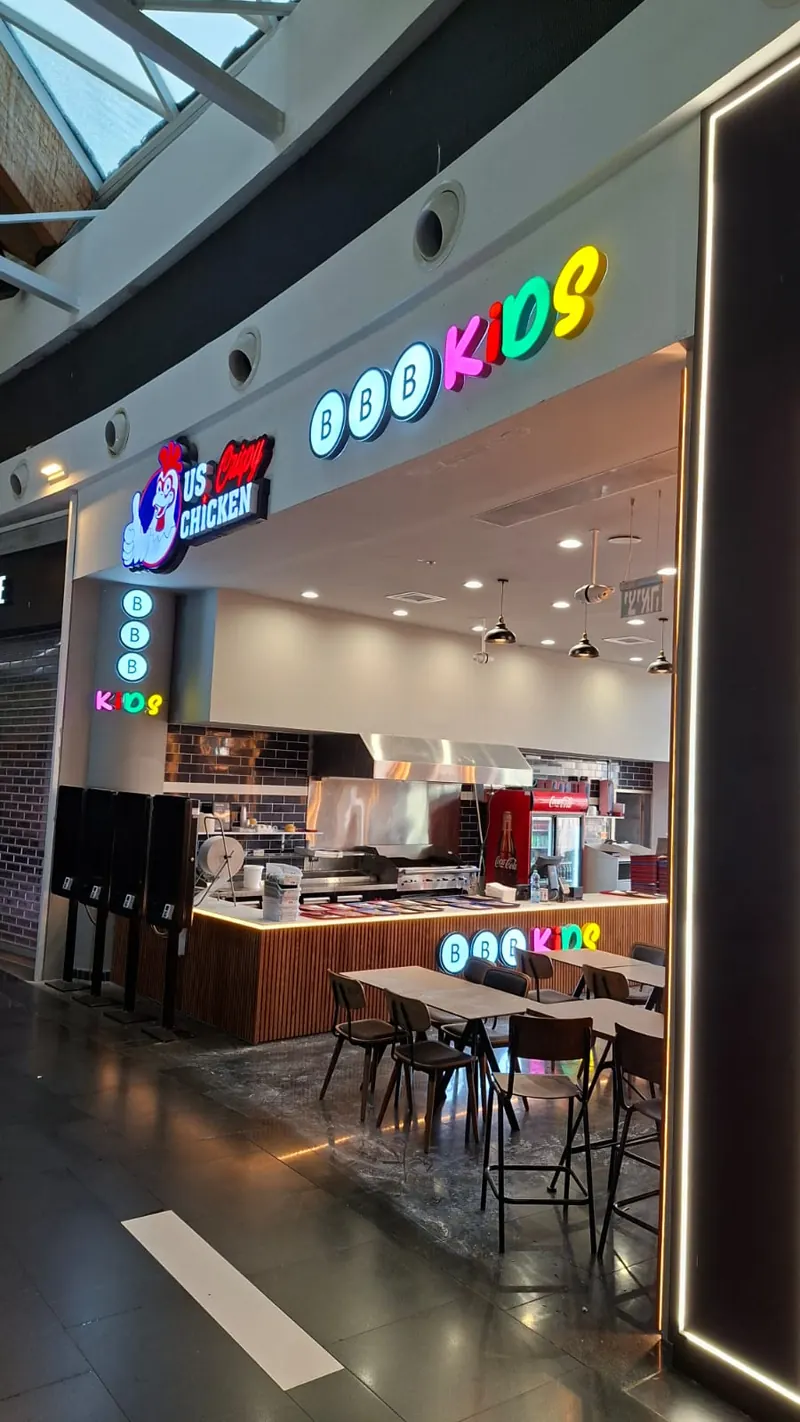
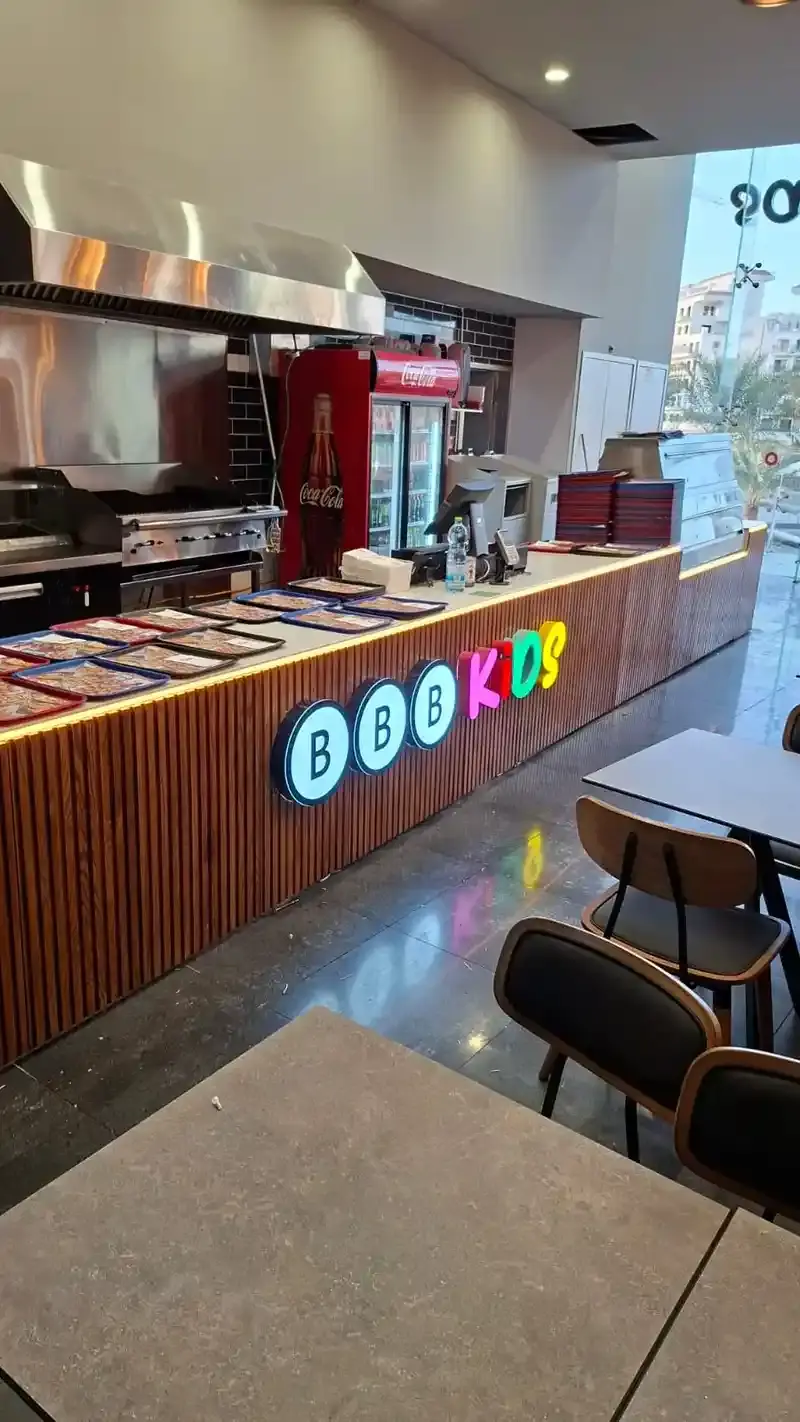
The most common type is front-lit: LEDs inside the letter illuminate forward through a colored or white translucent acrylic face. The letter face glows, the sides are opaque aluminum, and the back is closed. This produces maximum brightness and contrast — ideal for high-traffic retail locations, restaurants, pharmacies, and any business that needs to be read quickly from a moving vehicle.
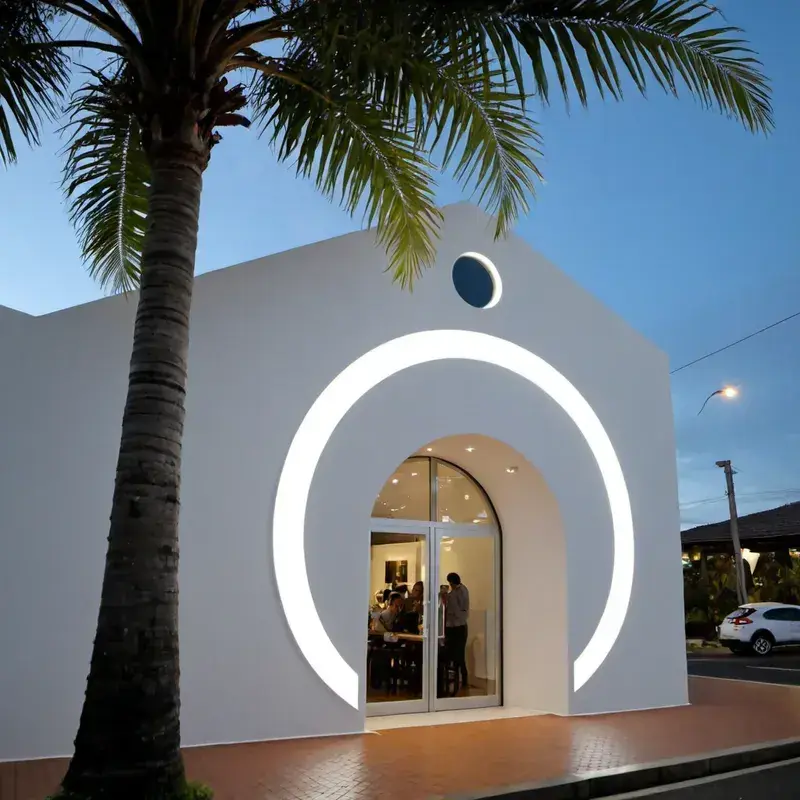
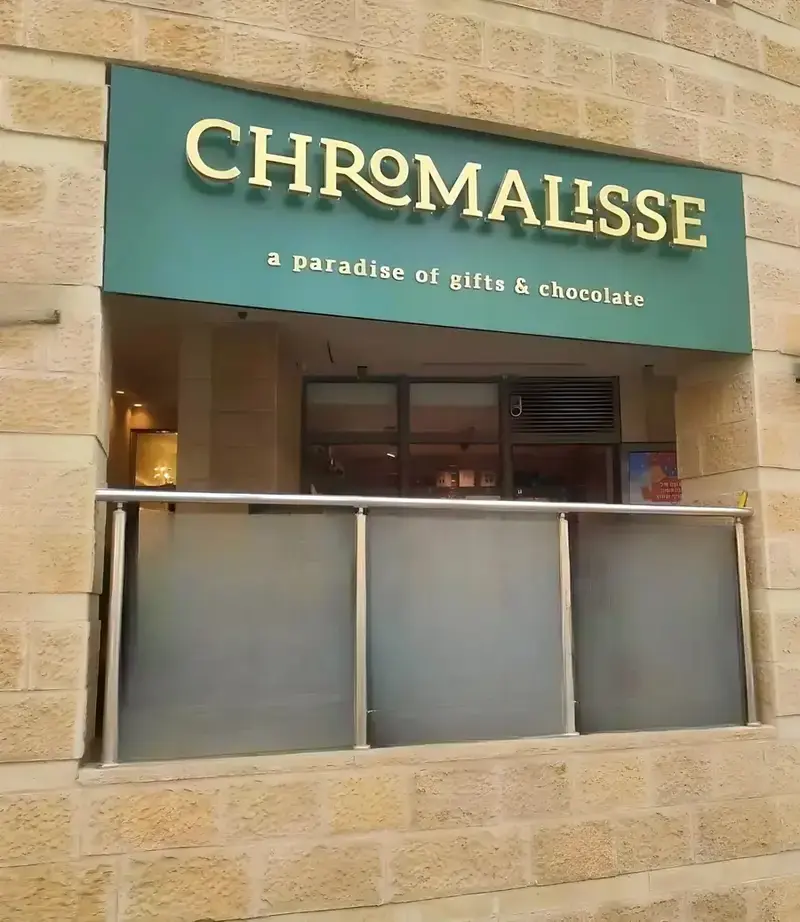
Halo-lit (also called reverse-lit) letters work differently. The LEDs illuminate backward, projecting a halo of light onto the wall behind the letter. The letter face itself is opaque — typically brushed aluminum, painted metal, or acrylic in a solid color. The effect is a soft glow around each letter. It is the usual choice for luxury brands, boutique hotels and high-end restaurants.
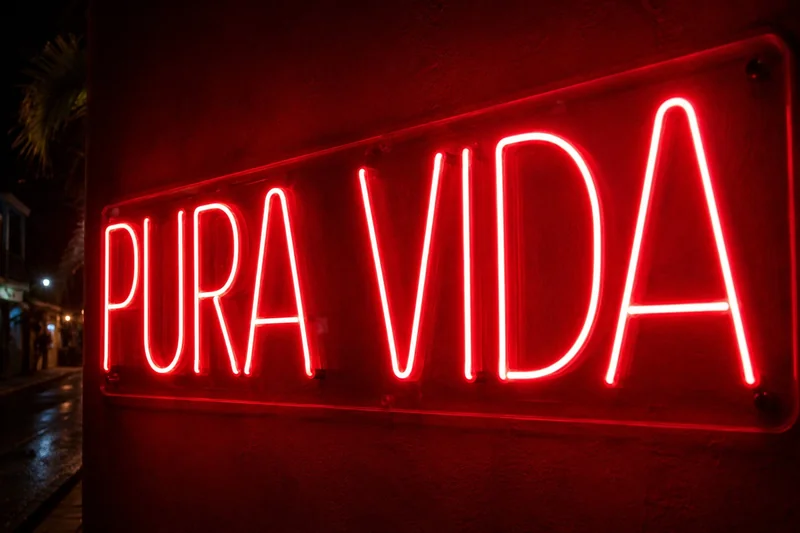
Open-face channel letters expose the light source directly — traditionally neon tubes, now increasingly LED flex. The warm, slightly irregular glow of exposed LEDs or neon has a retro, handcrafted quality that works well for bars, coffee shops, entertainment venues, and creative businesses. It is not the brightest option.
Some flagship locations use combination letters, front-lit and halo-lit at the same time. They cost more.
Materials: Aluminum, Acrylic, and Why They Matter in Costa Rica
Standard channel letters use aluminum for the sides and back and acrylic for the face. Aluminum is the correct choice for Costa Rica's climate: it does not rust, handles humidity and salt air well, and holds its shape under thermal expansion. Cheaper alternatives — galvanized steel, PVC, or thin-gauge aluminum — will show corrosion, warping, or mechanical failure within a few years in a tropical coastal environment.
The acrylic face is available in hundreds of colors, including custom-matched tints. For front-lit letters, the acrylic must be thick enough to diffuse the LED modules evenly — thin acrylic will show hot spots where individual LEDs are visible. Quality fabrication uses 3mm or 4mm cast acrylic with appropriate LED spacing to produce a smooth, even glow.
LED modules should be rated IP65 or higher for outdoor use in humid environments. IP65 means the module is dust-tight and protected against water jets from any direction — the minimum standard for coastal Guanacaste, where salt air and heavy rain are routine. Lower-rated modules will fail prematurely, leading to dark letters and expensive service calls.
Illuminated Letters: Matching the Finish to the Business
Beyond aluminum and acrylic there is a third face material worth knowing about. Brushed stainless steel gives illuminated letters a restrained, architectural finish, which is why it is the usual specification for law offices, clinics and luxury hotels. Acrylic sits at the other end of the range: because it can be partly transparent, it allows light effects that opaque metal cannot produce, and it suits brands that want a playful sign rather than a formal one.
The finish is also what decides how the sign ages. SignWorks applies an electrostatic powder coat rather than wet paint, seals the lighting housing completely instead of relying on the letter body to keep water out, and specifies IP65 components throughout. Those three decisions are the difference between a set of illuminated letters that still looks new after years of Guanacaste sun and rain and one that starts showing chalky paint and dark segments in its second dry season.
Sizing and Legibility: How Big Should Your Channel Letters Be?
A common mistake is ordering letters that look proportional in a design mockup but are too small to read from the street. The general rule for illuminated letters is 25mm of letter height per 1 meter of reading distance. A sign meant to be read from 20 meters away needs letters at least 500mm (50cm) tall. For highway-facing signs or large parking lot entries, letters of 600–900mm are common.
Letter height also affects cost: taller letters require more aluminum, more acrylic, and more LED modules. But letters too small to read from the street are wasted money, however well they are made.
Font choice matters as well. Thin, condensed typefaces with tight spacing are harder to read at distance and more expensive to fabricate (narrow channels require more precise bending). Bold, well-spaced letterforms are more legible, more durable, and typically less expensive to produce. If your brand uses a thin display font, it can be adapted for dimensional fabrication.
Channel Letters for Guanacaste's Climate
Guanacaste presents specific challenges for outdoor signage: intense UV radiation, high humidity during the rainy season (May–November), salt air near the coast, and occasional strong winds. A channel letter set that performs well in a temperate climate may fail within two to three years in this environment if the wrong materials or construction methods are used.
The key factors for longevity in Guanacaste are: powder-coated aluminum (not painted, which peels), UV-stable acrylic (standard acrylic yellows and becomes brittle under prolonged UV exposure), IP65-rated LED modules, weatherproof wiring and connectors, and sealed electrical penetrations to prevent water ingress. Installation hardware should be stainless steel or hot-dip galvanized — standard zinc-plated hardware corrodes quickly in coastal air.
Maintenance is straightforward if the sign is built correctly: clean the acrylic faces once or twice a year, check the electrical connections annually, and replace any failed LED modules as they appear. A well-built set of channel letters in Guanacaste should provide 8–12 years of service before any significant refurbishment is needed.
The Installation Process
Installation begins with a site survey to assess the mounting surface, electrical access, and structural requirements. Letters can be mounted directly on a wall (flush mount), on a raceway (a metal channel that houses the wiring and provides a clean backing), or on a freestanding structure such as a pylon or monument base.
Direct mounting looks cleaner — letters appear to float on the wall — but requires individual conduit runs for each letter and access to the wall structure for anchoring. Raceway mounting is faster and less expensive, and it simplifies future maintenance, but the raceway itself is visible. The right choice depends on the wall material, the electrical layout, and how it should look.
Electrical connection to the building's supply must comply with Costa Rica's electrical code (CFIA standards). All outdoor wiring must be in weatherproof conduit, and the sign transformer (driver) must be accessible for maintenance. SignWorks does the full installation, electrical work included.
Channel Letters vs. Other Sign Types: When to Choose What
Channel letters are not always the right answer. A lightbox is a better choice when the logo is complex, when the sign needs to display a graphic or photograph, or when budget is the primary constraint. Flat shop signs with applied vinyl are appropriate for temporary installations or low-budget situations. LED neon signs are better for interior accent pieces and atmosphere than for primary exterior identification.
Channel letters are the right choice when the sign has to read as permanent: the main sign of a shop, hotel, clinic or car dealership.
The ROI data on illuminated signage shows that businesses with well-made illuminated signs get more foot traffic, higher average sales and stronger brand recall.
What to Expect from a Channel Letter Quote
A professional channel letter quote should specify: letter height, font, illumination type, face color and material, side and back material and finish, LED module brand and IP rating, transformer/driver specifications, mounting method, and installation scope. A quote that lists only 'illuminated channel letters — $X' without these details is not a complete quote.
Pricing in Costa Rica varies significantly based on fabrication quality. The difference between a $700 set and a $1,400 set for the same word is usually in the aluminum gauge, acrylic quality, LED module rating, and whether the electrical components are accessible for future maintenance. The cheaper set may look identical on installation day and fail within two years. The more expensive set, built correctly, will still be performing a decade later.
Our quotes are itemized, with full material specifications. If you are comparing quotes from multiple suppliers, ask each one to specify the LED module brand and IP rating, the aluminum gauge, and the acrylic thickness. Those three data points will tell you most of what you need to know about the quality difference.