Search for a sign in Costa Rica and you will find two kinds of business wearing similar words. One prints. The other designs, fabricates, permits, installs and then answers the phone when something goes wrong two years later. They quote the same job and the quotes do not look very different, which is the problem.
This is a guide to telling them apart — not because printing is bad work, but because a large part of what you pay for in a sign has nothing to do with the printing at all.
The Gap Between a Printed Panel and a Working Sign
A printed panel is a product. A sign is a panel plus a set of decisions: what material survives that specific wall, how big the letters have to be to be read from where people actually stand, how it fixes to a substrate nobody has looked at yet, where the power comes from if it lights, whether the municipality will approve it, and who goes up the ladder.
Each of those has a right answer and several cheap wrong ones, and the wrong ones do not show on day one. A panel in the wrong material still looks perfect for a season. A sign fixed into render rather than into block holds until the first serious rain. Letters sized for a drawing rather than for a street are legible on the screen and invisible from the road.
What a Full-Service Company Actually Covers
Design That Accounts for Distance
The most frequent design error in this business is not ugliness, it is scale. A sign is read from a car at forty kilometres an hour, or from the opposite sidewalk, or from two metres away at a reception desk, and those are three different signs. Getting letter height right for the real viewing distance decides whether the sign works at all — and it also decides how much can be said, which is the conversation most owners need to have before the artwork is drawn.
Fabrication Across More Than One Material
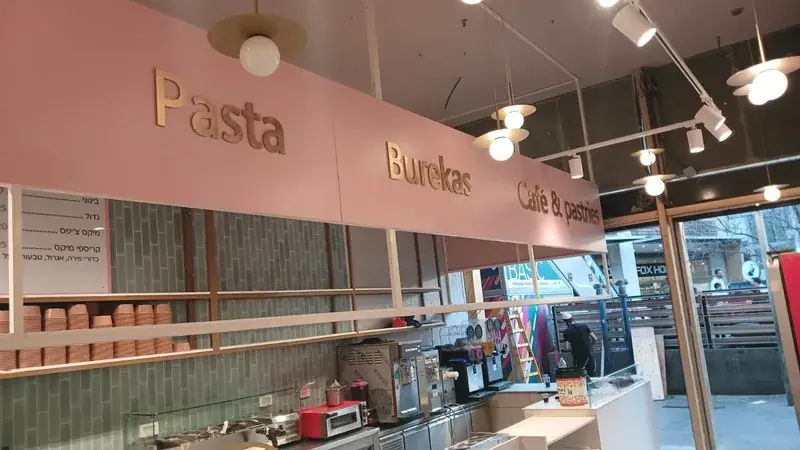
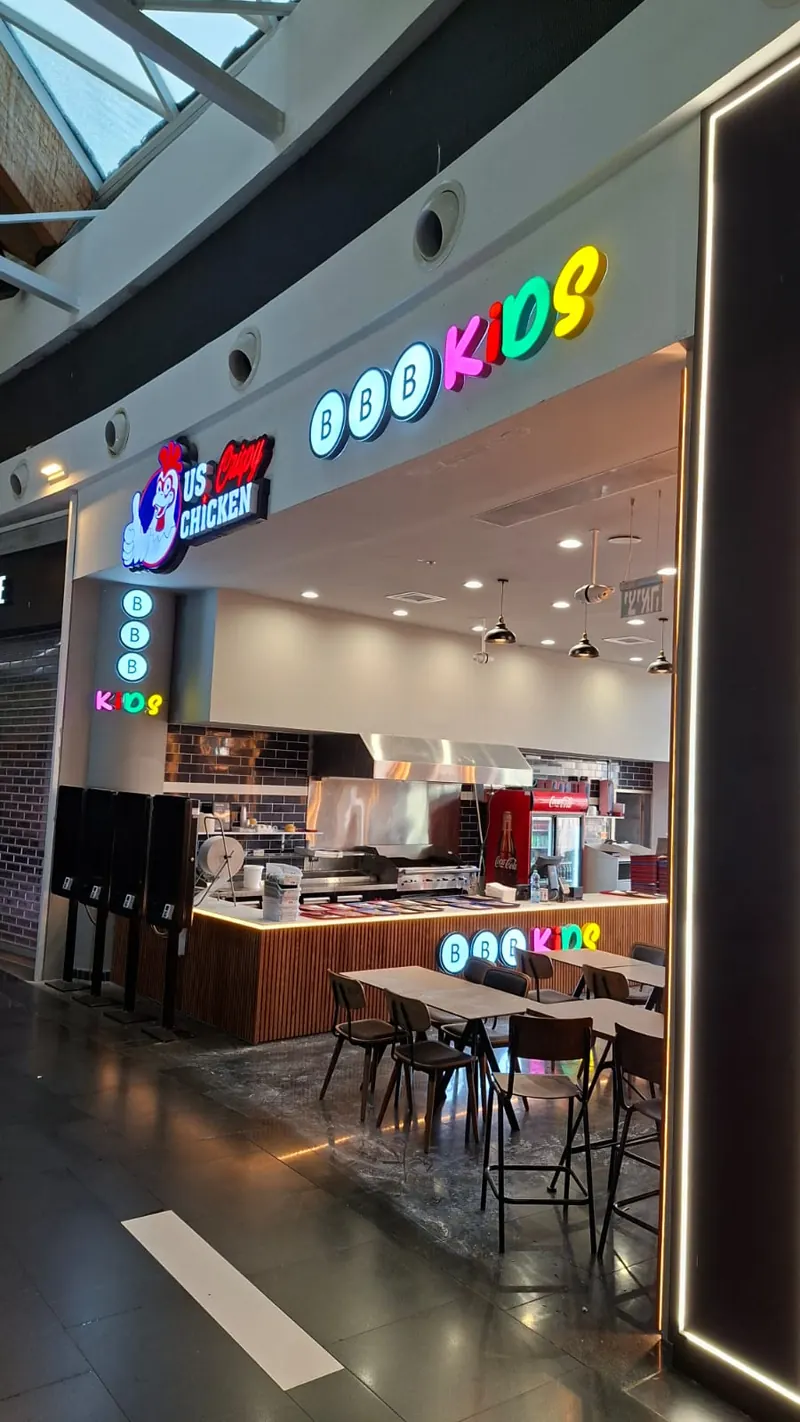
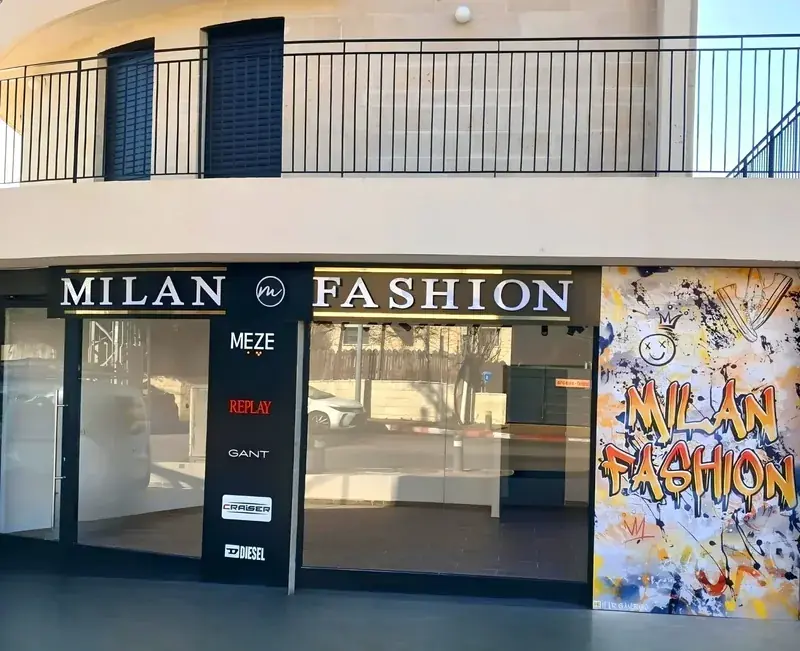
Most real projects use several. A storefront might want an aluminium composite fascia, printed panels beside the door, vinyl on the glass and illuminated letters across the top. A company that only prints will propose the version of your sign that can be printed. Our range runs from vinyl and stickers, through banners and PVC board, up to ACM panel printing and illuminated letters — and the honest recommendation frequently sits at the cheaper end. The material comparison itself is set out in the guide to printed signs and their materials.
Printing at Scale
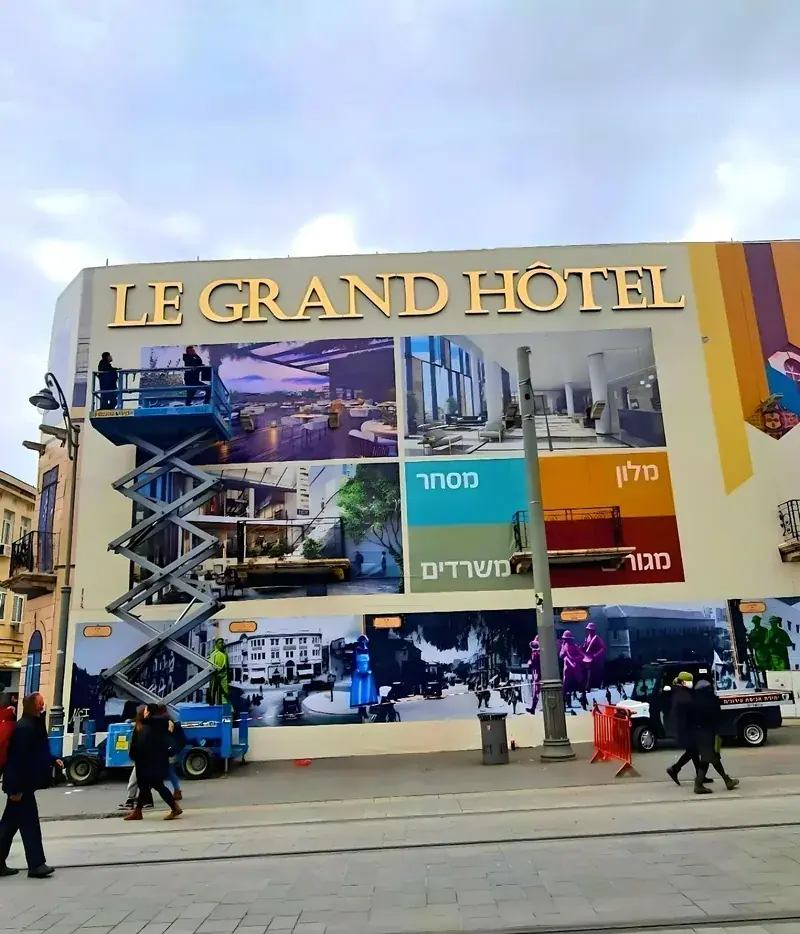
Large-format work is its own discipline — flatbed UV printing up to three metres by two in a single piece, welded seams on oversized banners, building wraps that go up while the building is still being finished. We have delivered more than 5,500 print projects, so the failure modes are known. The detail of that side of the work is in the guide to large format printing.
Permits
In most cases exterior signage needs a permit from the municipality, and the requirements depend on the size, the location and whether the sign is illuminated. This is the step that surprises people, because it is the one part of the process with no relationship to how quickly a sign can be made. A company that knows the local process prepares the documentation with you so the permit is not what delays your opening.
Installation
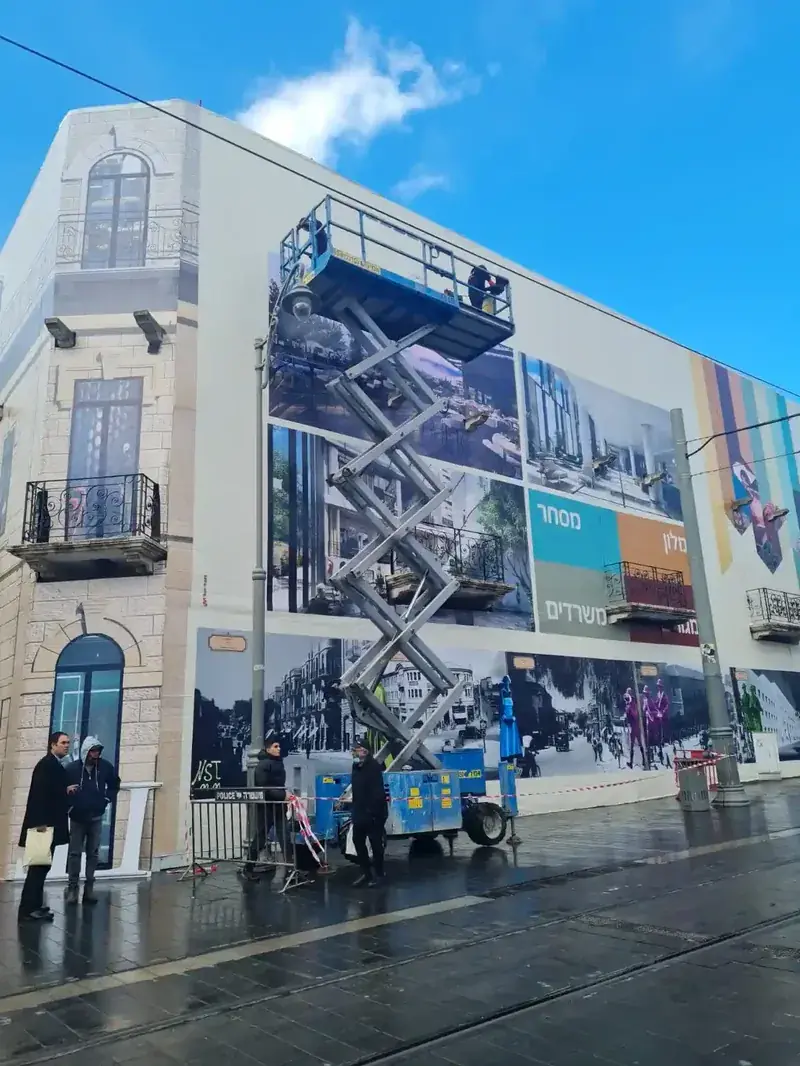
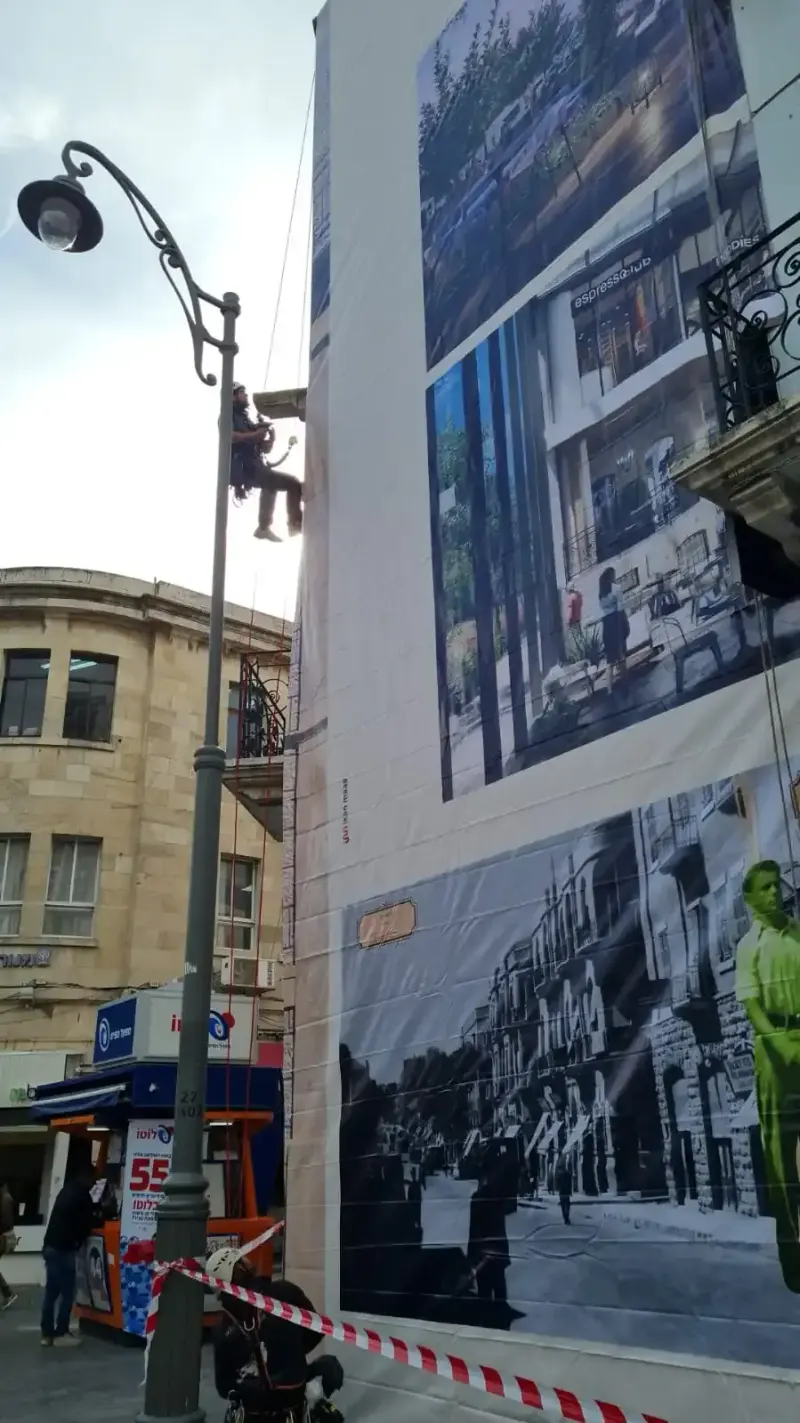
At ground level, on a wall you own, plenty of signs are installed by the people who bought them. Above head height it is different work: scissor lifts for high facades, rope access for high-rise installations, and the judgement to know which fixing a given wall will actually hold. A perfectly made sign installed badly looks cheap within weeks — sagging, out of square, or tensioned unevenly — and nobody looking at it blames the installer.
Someone to Call Afterwards
Signs get hit by trucks. Power supplies fail. A tenant changes and a panel needs reprinting. Everything we build carries a six-month warranty excluding external damage, but the more useful thing is simply that the company that made it still exists and still has the files. Split a project across three suppliers and the third year is when you find out that nobody owns it.
Questions Worth Asking Before You Sign Anything
What material, and why that one for this wall? A supplier who answers with a price rather than a reason is quoting what is in stock.Do you install, or do I arrange that? An install arranged late is an install arranged badly.Who handles the municipal permit? Ask before the sign is made, not after.How long, realistically? Stickers and vinyl are 24 hours. UV printing on panels is 24 to 48. A simple illuminated sign is about three days, a standard one about a week, and complex or large work up to two weeks. Standard orders run 7 to 14 business days in total.What happens in year two? If the answer is vague, price the replacement into the quote.
What Scale Looks Like
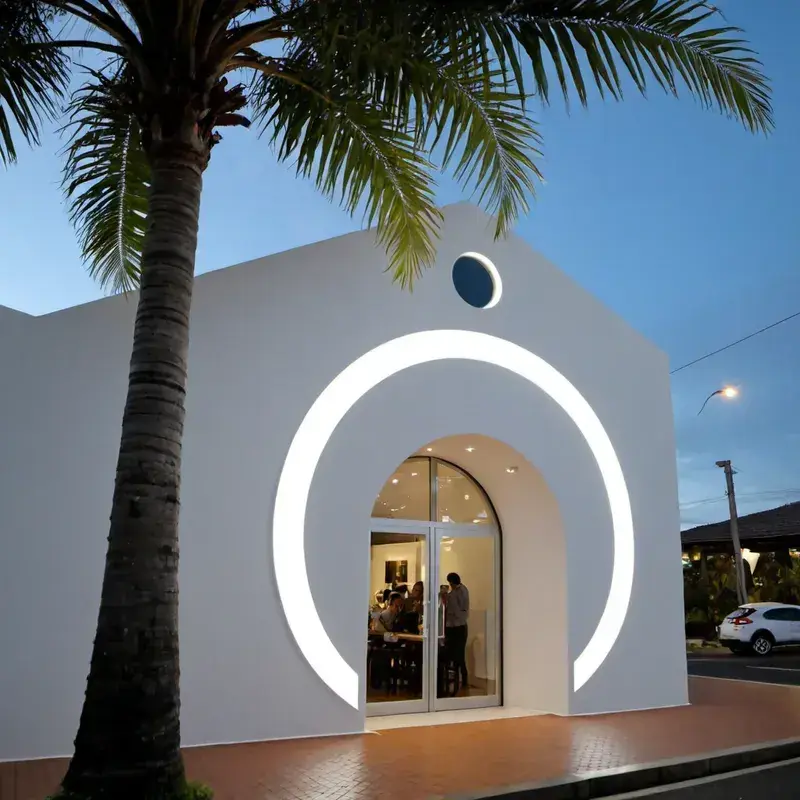
It is fair to ask whether a local company can handle something genuinely large. One of the most demanding projects we have built is a 23-metre circular sign on a round building, carrying illuminated letters for seven different brands at once — seven sets of artwork, one structure, one installation. Being local is not the same as being small, and printing in Guanacaste means nothing is waiting on a courier from the Central Valley.
The Number That Actually Decides It
A sign is not an expense that repeats. It is bought once and works every day for years, and the useful way to compare two quotes is not by their difference but by what each one costs per year of service. A cheaper sign that needs replacing in season three is not cheaper. The arithmetic of that — and how to work out what a sign returns rather than what it costs — is laid out in the guide to what a sign returns.
Where to Start
Bring three things and the conversation gets short: where the sign goes, how far away it will be read from, and your artwork as a vector file or the largest original you have. If it is a permanent exterior sign, the substrate conversation starts at aluminium composite — the reasoning is in the guide to ACM panels. Not sure which of the two the job is? That is exactly the conversation to have before anything is drawn.
If it needs to be lit, start at the illuminated letters page and work back from there.