Start With the Job Your Sign Must Do
Do not choose a sign only because it looks good in a mockup. A sign has to help people notice your location, understand what you offer and remember your name. In Costa Rica many businesses depend on road visibility, tourist traffic and evening trade.
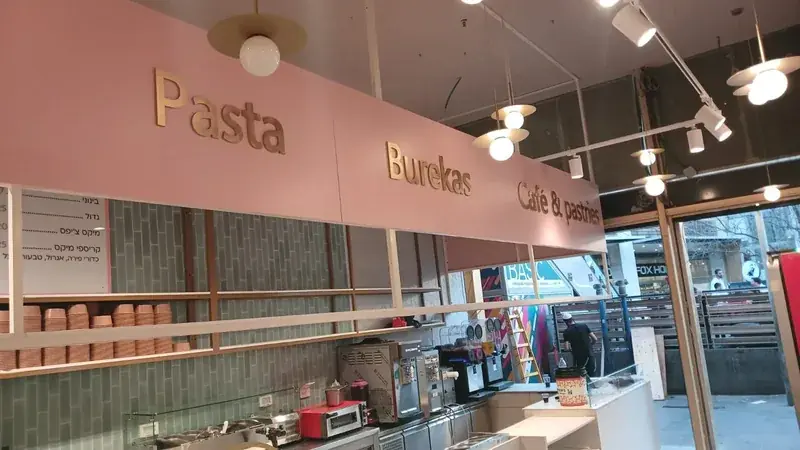
Before comparing materials or prices, define the main purpose of the sign. A roadside restaurant needs fast recognition from drivers. A boutique hotel needs trust and atmosphere. A medical office needs clarity and professionalism. A retail store may need strong daytime visibility and a premium nighttime presence. Once the purpose is clear, the sign type becomes much easier to choose.
Match the Sign Type to Your Location
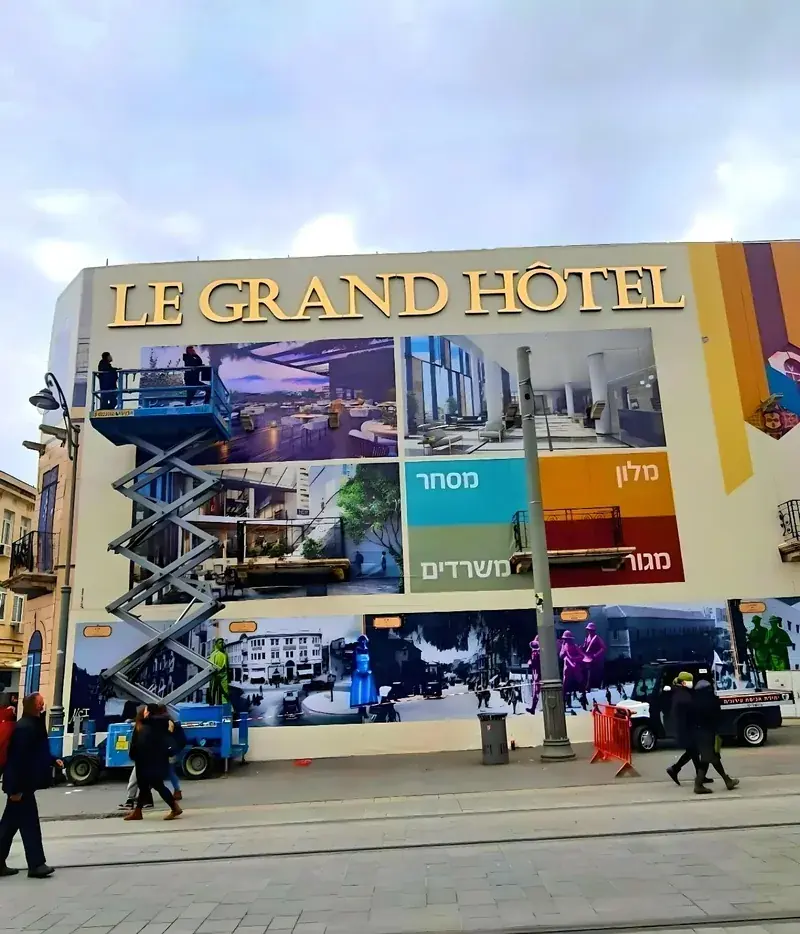
Location is the first practical filter. A sign facing a fast road needs larger letters, stronger contrast and fewer words. A sign on a pedestrian street can include finer details because people have more time to read. A sign inside a commercial plaza must compete with nearby businesses, so lighting, height and brand color matter more than size alone.
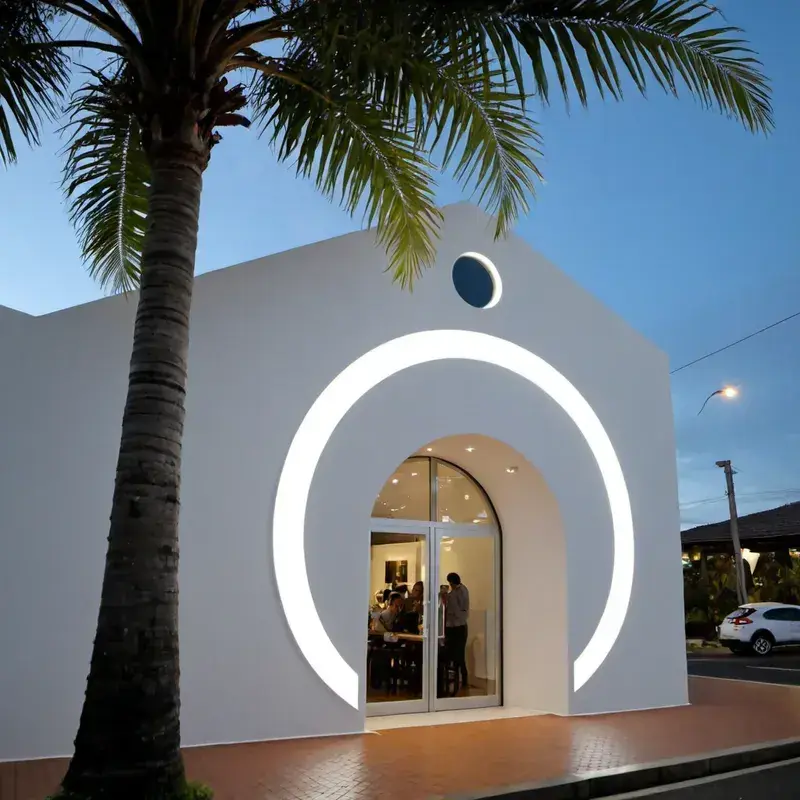
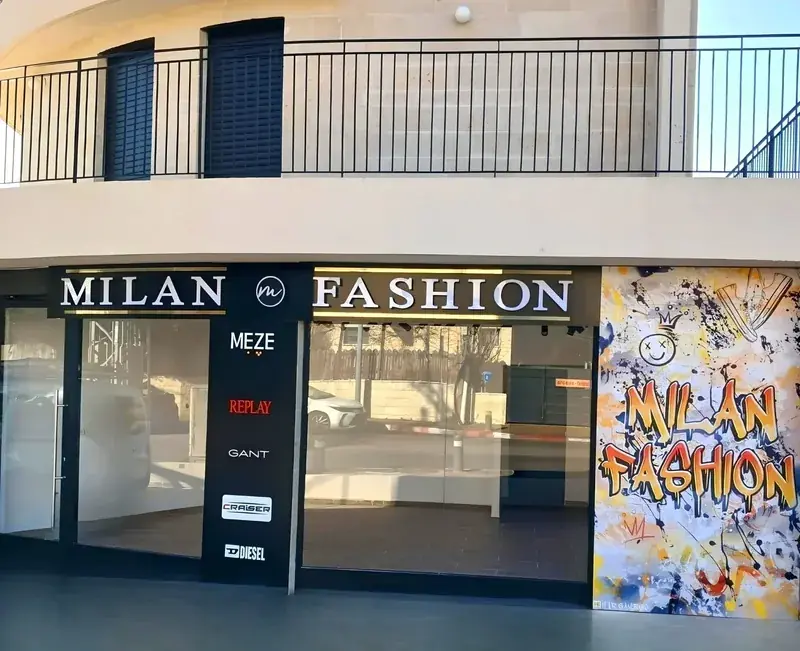
For many storefronts, illuminated letters are the usual choice: dimensional letters that are also visible at night, on a clean façade.
Types of Business Signs: How Signage Is Classified
Most of what a Costa Rican business will actually be quoted falls into four families, and knowing which family fits the job removes most of the guesswork before a single price is discussed.
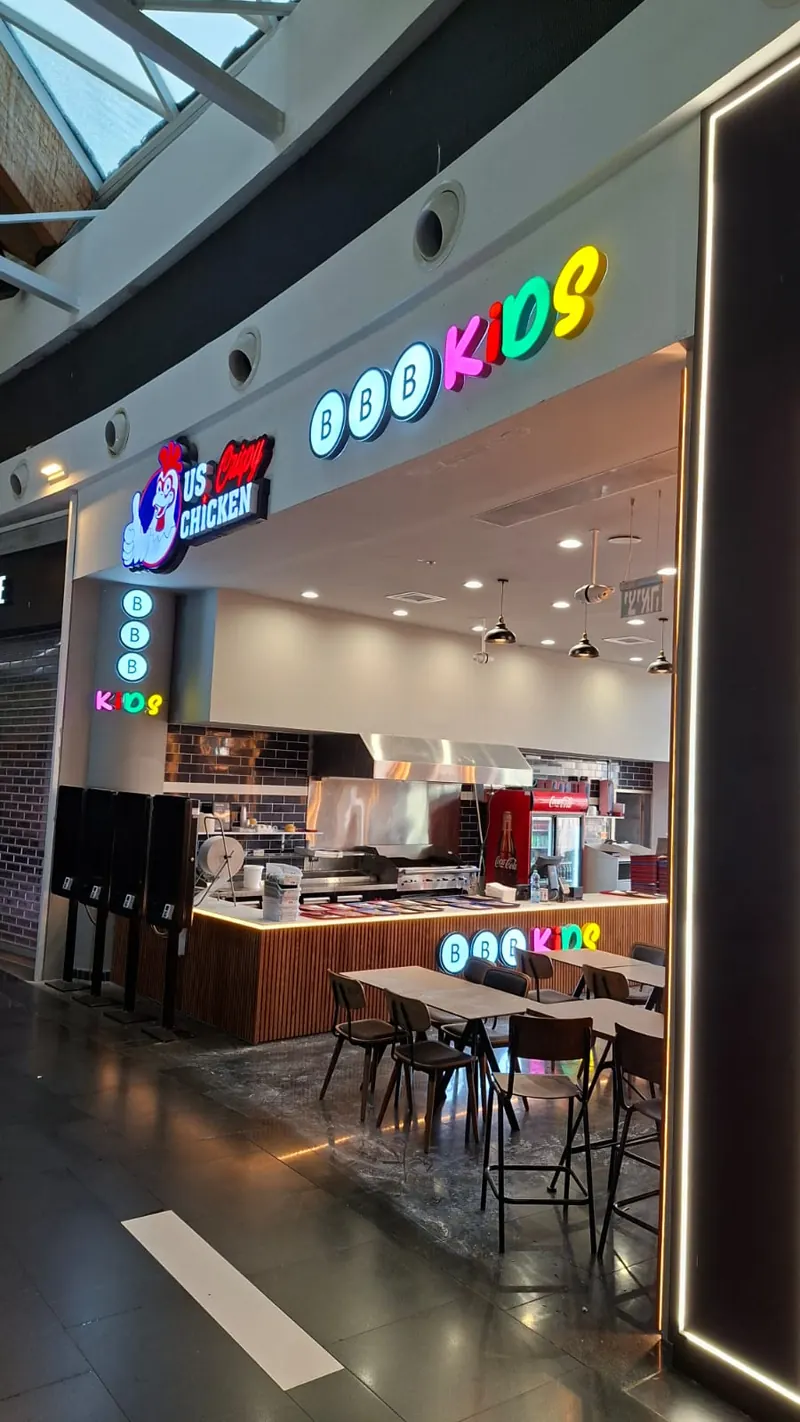
3D channel letters are individual dimensional letters, normally aluminum returns with an acrylic face, each carrying its own LEDs. Because every letter is a separate unit, the result reads as architecture rather than as an applied panel, and it can be lit from the front or from behind for a halo effect. This is the standard for storefronts, malls and corporate offices.
Lightboxes, or cabinet signs, are a structured aluminum box with a translucent acrylic or polycarbonate face lit evenly from inside by LED modules. They accept full-colour printed graphics, which makes them the practical answer for complex logos, photographs, menus and multi-tenant plazas — and they are usually the cheaper route to a large lit surface.
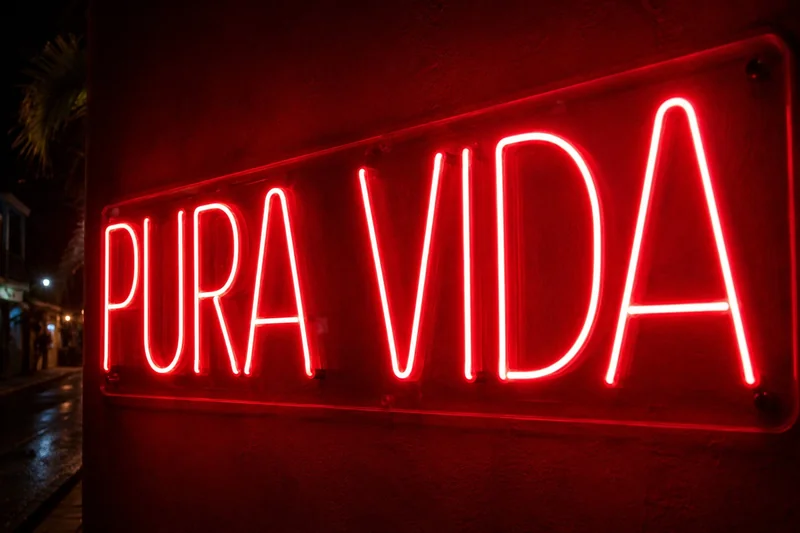
Pylon and monument signs solve a different problem: the business is set back from the road, or sits inside a plaza where a wall sign is simply not in anyone's line of sight. A pylon is a tall freestanding structure aimed at fast-moving traffic; a monument sign stays low to the ground and integrates with landscaping, which is why it suits hotels, clinics and residential developments. LED neon completes the set, but it belongs indoors or under cover, where it is doing atmosphere rather than primary identification.
Choose Materials for Costa Rica, Not for a Catalog
Coastal salt air, strong UV, humidity and heavy seasonal rain can make low-grade signs fade, peel or warp quickly. Exterior signs should be built around durable substrates, sealed electrical components and finishes selected for outdoor exposure.
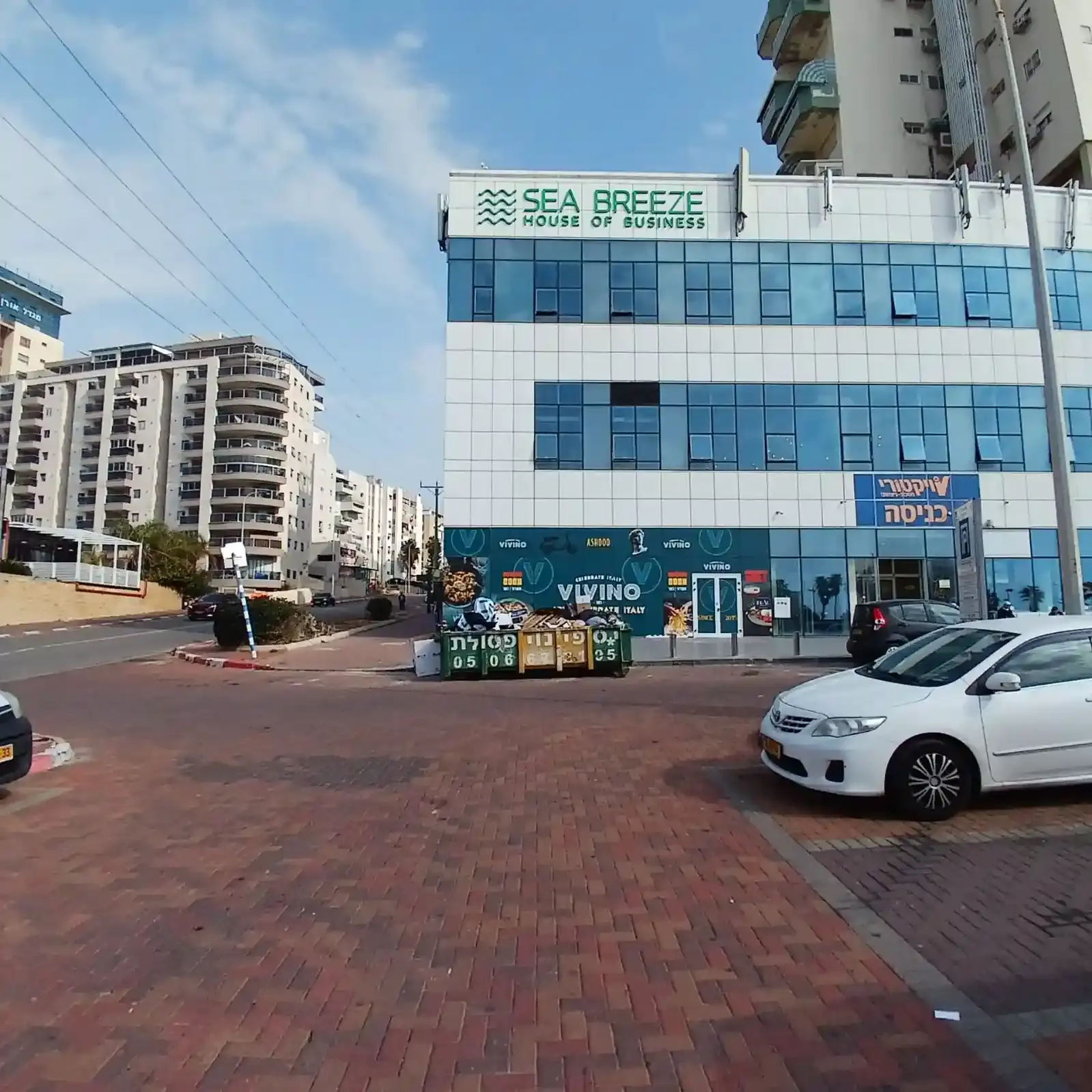
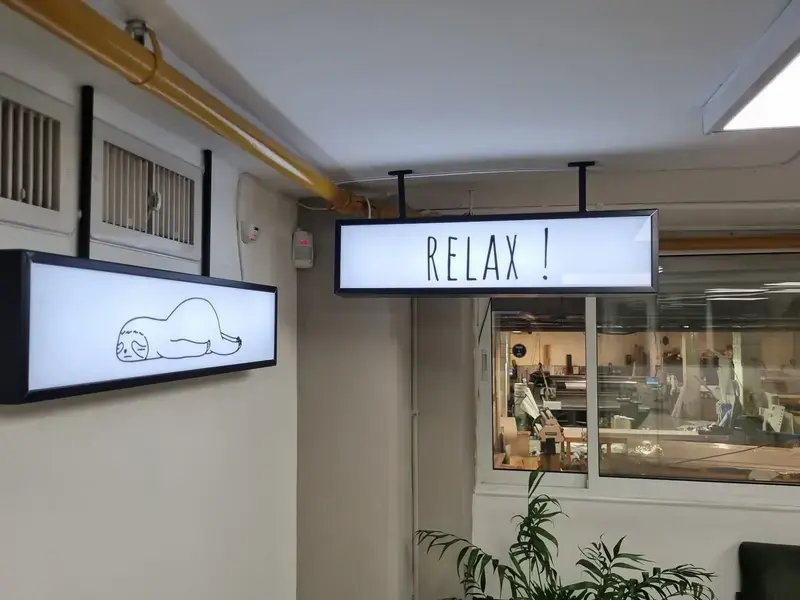
For permanent business signage, aluminum, acrylic, ACM panels and properly sealed LED systems are usually safer than temporary boards or unprotected vinyl. The best material is not always the most expensive one, but it must match the environment. A shaded indoor wall, a beach-facing façade and a roadside pylon all require different specifications.
Think About Visibility at Three Distances
A useful sign works at three distances. From far away, people should recognize the brand shape, lighting or main word. From the street, they should understand the business category. At the entrance, they should see details such as hours, directional information or secondary messaging. If a design tries to say everything at long distance, it usually becomes unreadable.
Use short wording, strong contrast and generous letter spacing. This is especially important for bilingual locations, tourism businesses and plazas where visitors may be processing information quickly while walking, driving or looking for parking. If you are comparing business impact, our guide to how illuminated signage increases revenue explains why visibility and recall matter so much.
Budget for the Full Lifecycle
The cheapest sign on day one is not always the least expensive sign over three years. A low-cost material that fades, cracks or fails electrically can create replacement costs, lost visibility and a poor brand impression. A well-built sign should be evaluated by its lifecycle: design, fabrication, installation, maintenance, energy use and expected durability.
A clear specification avoids overspending on unnecessary complexity while protecting the parts that matter: structure, weather resistance, legibility and electrical reliability. For local examples, see our article on illuminated signs in Guanacaste.
Prepare the Right Information Before Requesting a Quote
A faster and more accurate quote starts with practical details. Measure the available façade or wall area, take daylight and nighttime photos, note whether power is available, describe the viewing distance and share your logo file if available. If the sign will face wind, rain or direct sun, mention that too. These details allow the sign company to recommend the correct construction method instead of guessing.
Your sign company should also explain the tradeoffs. If one option is cheaper but less durable, you should know why. If lighting will improve visibility, you should see what it adds to installation and maintenance.