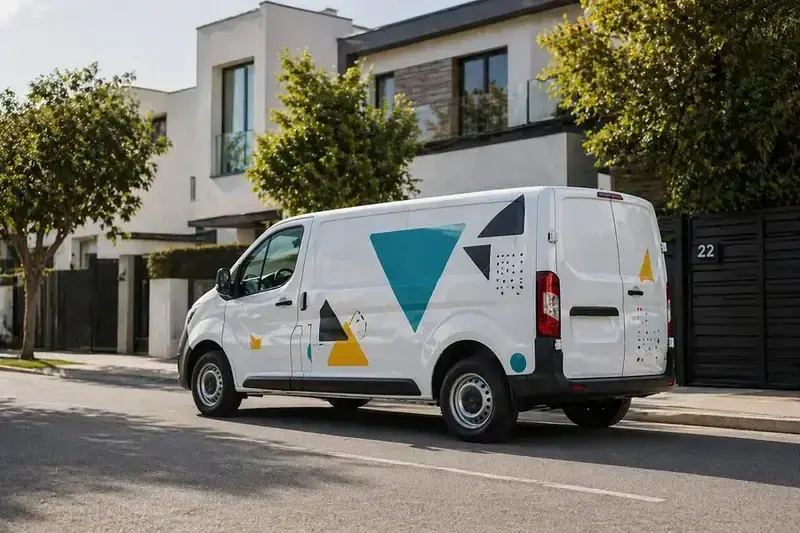
A die-cut sticker can identify packaging, mark equipment, decorate a window, brand a delivery vehicle or seal a product box. The difference is the cut: instead of a rectangular label, the cut follows the shape of the design.
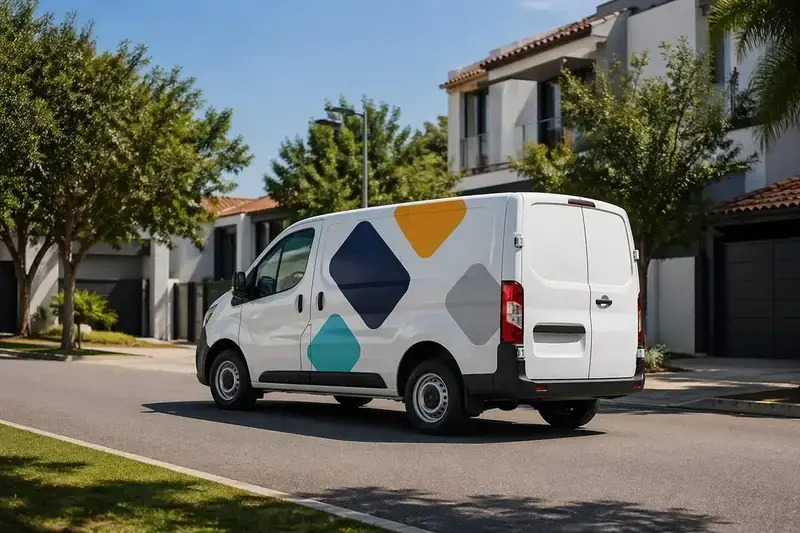

We make die-cut stickers from the same artwork as your storefront, vehicle, menu board or wall graphics, scaled down to decals and labels.
What Makes a Sticker Die-Cut?
A standard sticker is usually cut as a rectangle, square, circle or simple label shape. A die-cut sticker is cut around a custom contour. That contour might follow the exact edge of a logo, create an outline around printed artwork, separate individual letters, or form a custom icon.
A logo decal with excess white background can look temporary, while a contour-cut logo looks deliberate on glass, metal, plastic, painted walls or vehicles.
Common Business Uses for Die-Cut Stickers
Retail brands use them for packaging, product labels, shopping bags and loyalty giveaways. Restaurants and cafés use them on delivery boxes, cups, menu displays, windows and promotional items. Hotels, tour companies and service businesses use them for equipment, vehicles, wayfinding and branded guest materials.
They also suit a product launch, event, seasonal promotion or temporary campaign that does not need a permanent sign. When the same artwork must appear at larger scale, our large format printing guide explains how graphics scale beyond stickers.
Printed Stickers, Vinyl Lettering and Transfer Decals
Not every die-cut project is the same. Printed die-cut stickers include full-color artwork and are cut around the outside shape. They are ideal for logos, illustrated labels, product graphics and promotional stickers. Vinyl lettering is cut from solid-color vinyl and usually transferred without a printed background. It is common for window hours, vehicle contact information, wall quotes and clean one-color logos.
Transfer decals are useful when the design includes separate pieces, such as individual letters or a logo with multiple floating elements. Application tape holds the pieces in position during installation so they stay aligned. Choosing between printed stickers and cut vinyl depends on color needs, surface, size, viewing distance and how long the graphic should last.
Artwork Files: Why the Cut Path Matters
The cut path is the line the machine follows. For accurate contour cutting, a vector file is the safest format because it contains clean mathematical paths instead of pixels. Files such as AI, EPS, SVG or vector PDF usually work best. A high-resolution PNG or JPG can sometimes be used for printing, but it does not automatically provide a usable cut line.
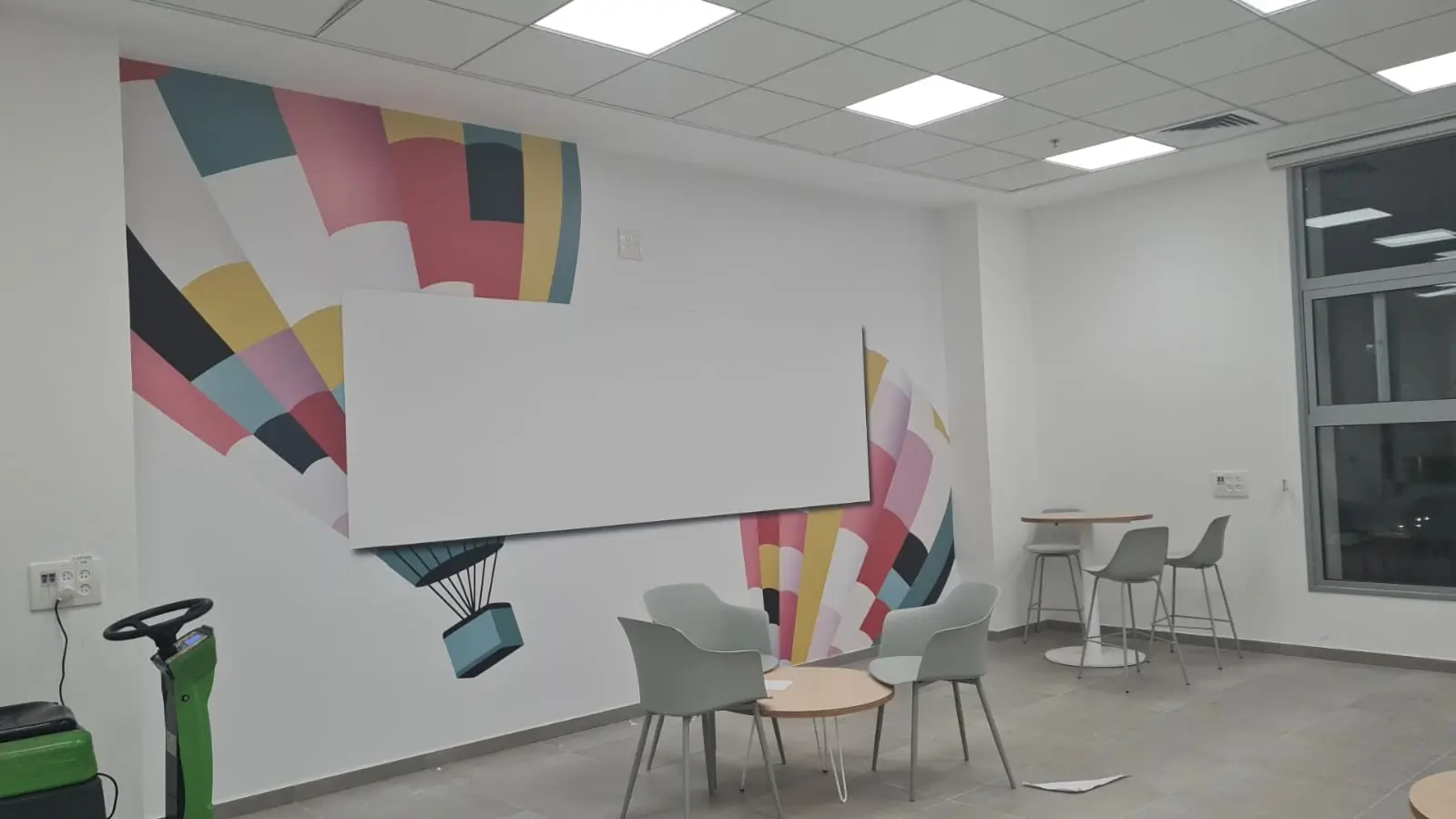

If a business only has a logo image, SignWorks can often prepare the file by tracing or rebuilding a vector cut path. This step is important because small errors become visible after cutting: uneven borders, jagged edges, thin weak areas or pieces that are difficult to weed and apply.
Materials and Durability in Costa Rica
Costa Rica's sun, rain, humidity and coastal air are demanding on adhesive graphics. A sticker used indoors on packaging has different requirements from a decal installed on a vehicle door or storefront window. Outdoor stickers need the right vinyl, ink, adhesive and sometimes laminate to resist fading, peeling and surface wear.
Surface preparation also matters. Glass, painted metal, acrylic, plastic and wall finishes all behave differently. Dust, wax, oil, moisture and textured surfaces can reduce adhesion. A sticker on a shaded interior wall and a sticker on a vehicle parked in direct Guanacaste sun will not age the same way.
Design Tips for Better Stickers
Small stickers need strong hierarchy. Thin text, complex details and weak contrast may disappear once the design is printed and cut. A good sticker usually has a clear main shape, enough border space, readable text and a size that matches the viewing distance. The shape should support the message, not make application difficult.
If the sticker will be used on dark and light surfaces, consider whether it needs a border, white ink, solid-color vinyl or separate versions. If it will be applied by staff or customers, the design should not include fragile points that tear easily.
How to Prepare Before Requesting a Quote
Before requesting a quote, decide the approximate size, quantity, surface and purpose. Send the best artwork file available, preferably vector. If the sticker will be installed outdoors, mention sun exposure, cleaning habits and whether the surface is glass, metal, plastic, wall paint or vehicle paint. If the decal includes lettering, note whether you want individual letters or a printed background shape.
With that, we can recommend the material, printing method, cut style and finishing.