Why LED Neon Works So Well for Hospitality Brands
In a restaurant, bar or café in Costa Rica, an LED neon sign can finish a wall, guide guests to the bar, create a photo spot and keep the business visible after sunset.
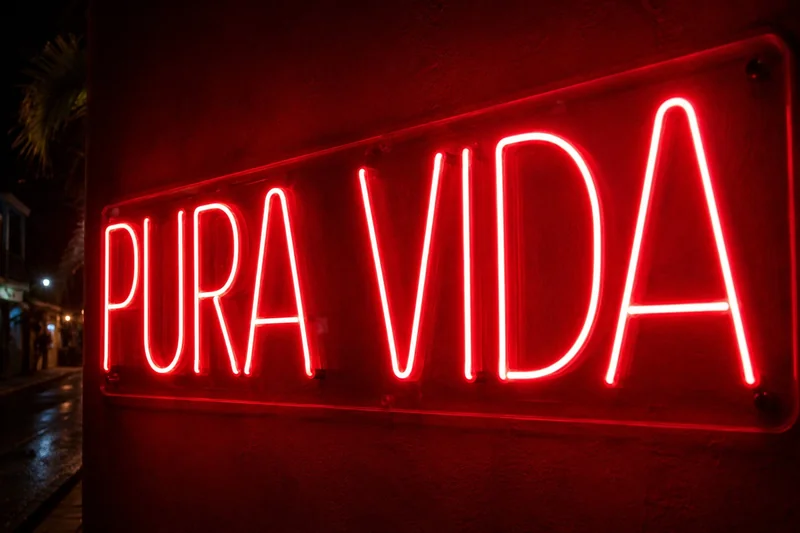
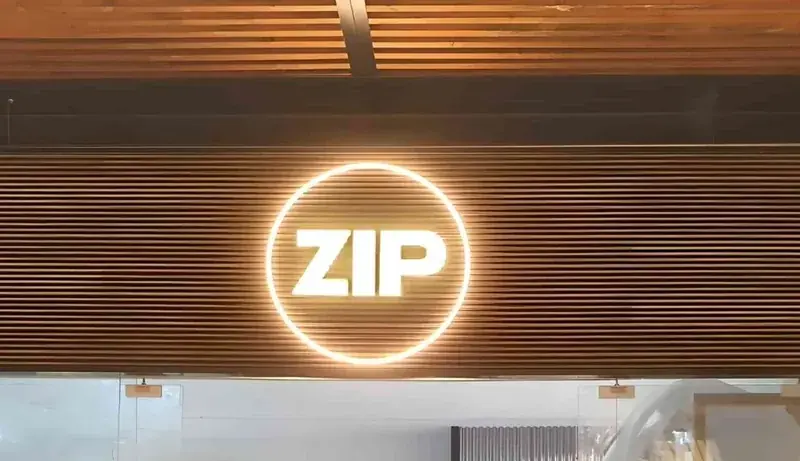
Guests photograph it, and in tourist areas, where visitors often choose where to eat or drink by what they see, that matters.
LED vs. Neon: What the Comparison Means for a Restaurant
Owners still ask whether to buy LED or classic glass neon, and the honest answer is that the initial quotes are often close — the difference shows up afterwards. LED draws up to 80% less power than a traditional neon tube and is rated past 50,000 hours, so the running cost and the replacement cycle both drop. Glass neon carries gas under pressure in fragile tubes: in a working kitchen or a busy bar, breakage is not a theoretical risk, and every repair means a specialist and downtime.
LED also does things glass cannot. Colour can change on a schedule, sections can animate, and the whole sign can sit on a smart controller that dims it for service and brightens it for late night. This is why SignWorks fabricates exclusively in LED neon flex: it keeps the warm, continuous line that makes neon feel like neon, and drops the gas, the glass and the periodic re-tubing. In a humid coastal climate that trade is not close.
Use Neon to Create a Clear Photo Moment
The best restaurant neon signs are simple: a short brand phrase, a logo outline, a local expression or a cocktail icon. Guests photograph them without being asked.
Placement matters as much as design. The sign should sit where people can stand comfortably, where background clutter is controlled and where lighting does not wash out the neon effect. If the goal is customer photos, think about the camera angle, not only the wall elevation.
Plan the Message Before the Shape
Before choosing color, size or mounting style, decide what the sign should communicate. Some businesses need brand recognition, so the logo should be the hero. Others need ambience, so a phrase or icon may work better. A beach bar may want something relaxed, a sushi restaurant something clean.
For restaurants and bars that want a custom piece, LED neon signage is more flexible and easier to install than traditional glass neon.
Choose Colors That Support the Interior
Color changes the mood of a hospitality space. Warm white can feel premium and subtle. Red creates energy and appetite. Pink and purple often feel playful and nightlife-oriented. Blue can feel modern but may make food areas feel cooler. Green can connect with tropical, organic or wellness concepts. Pick the color for the brand and the room, not only the owner's taste.
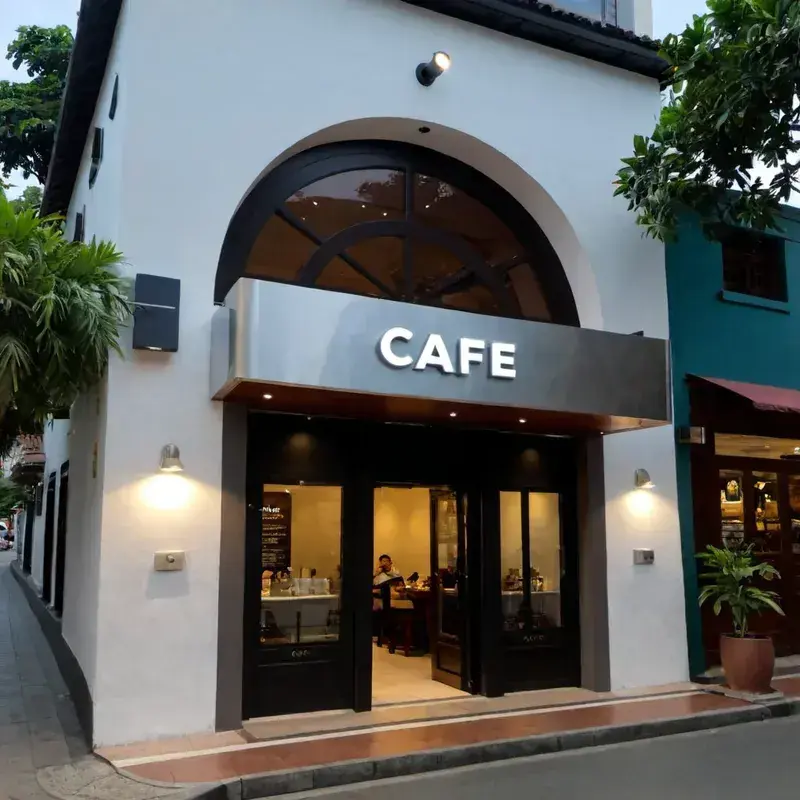
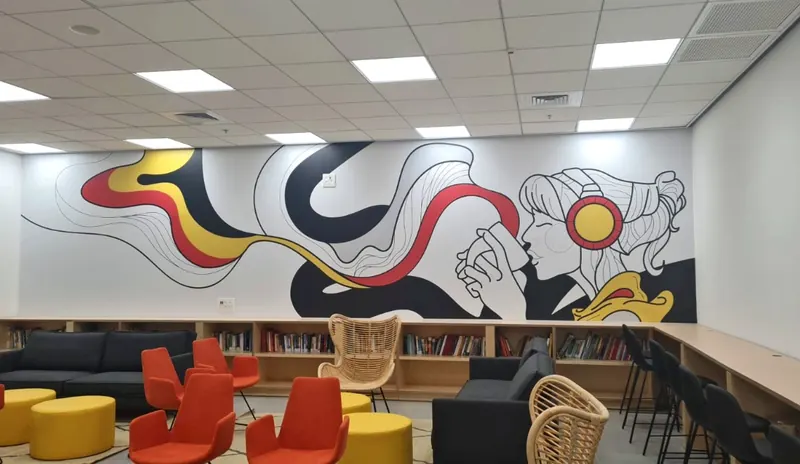
Consider wall color and ambient lighting too. A neon sign mounted on a dark or textured wall usually stands out more than one placed on a bright, busy surface. If the interior already has strong lighting, the neon may need more contrast, better placement or a bolder size to remain visible in photos.
Think About Indoor, Outdoor and Semi-Outdoor Conditions
Many Costa Rican hospitality spaces blur the line between indoor and outdoor. Open-air bars, covered terraces and beachfront restaurants may feel protected, but humidity, wind-driven rain and salt air can still affect signage. A neon sign for these areas should be specified differently from a sign mounted inside an air-conditioned room.
Outdoor and semi-outdoor LED neon signs require careful attention to mounting, sealing, power supply location and cable routing. The sign should be easy to service without disrupting operations, and the electrical system should be protected from water exposure. This planning is especially important near the coast, where salt air can accelerate wear on unsuitable components.
Size the Sign for the Room and the Camera
A neon sign that is too small may disappear in a busy restaurant, while one that is too large can overpower the space or create glare. The correct size depends on viewing distance, wall area, ceiling height and whether the sign will be photographed from close range. For a photo wall, the sign should frame naturally above or beside guests without forcing them to stand awkwardly.
If the sign includes text, readability matters. Script fonts can look beautiful, but extremely thin or complex strokes may become harder to read from across a room or in phone photos.
Make the Sign Part of the Guest Journey
A neon sign can do more than decorate a wall. It can identify the entrance, highlight the bar, mark a pickup area, point toward restrooms or reinforce a signature menu item. For other interior branding ideas, see our guide to custom indoor signage with illuminated 3D objects.
For restaurants and bars in Costa Rica, LED neon gives atmosphere, night visibility and photos that guests share.