Why Real Estate Signs Matter More Than Most Agents Think
In Guanacaste, a significant percentage of property inquiries still originate from physical signs — particularly for buyers who are already in the area and driving around. A buyer who sees a professional sign on a property they like will call. A buyer who sees a faded, generic sign on a stake will often assume the property is not worth their time.
The sign is the first impression of the property, the seller and the agency. In a market where properties range from $150,000 condos to $3 million ocean-view estates, buyers read its quality as the quality of the deal.
For-Sale and For-Rent Signs: Getting the Basics Right
The most common real estate sign in Costa Rica is an aluminum post sign with a printed vinyl face. Done correctly, it is durable and inexpensive. Done poorly, with thin aluminum, cheap vinyl and a post that rusts in the first rainy season, it looks neglected.
The key specifications for a quality for-sale sign in Guanacaste: 2mm or 3mm aluminum panel (not 1mm), UV-laminated print (not bare vinyl), powder-coated or stainless steel post hardware, and a font size large enough to read from a moving vehicle. The phone number should be the largest element on the sign after the status line.
A sign that looks adequate on a desk is often too small to read from the road. For roadside visibility, the minimum recommended panel size is 60 × 90 cm. For high-traffic roads or properties set back from the street, 90 × 120 cm is more appropriate.
Development Entrance Signs: The Investment That Pays Back
For residential developments, gated communities, and commercial projects, the entrance sign is the most important sign in the project. Buyers photograph it and see it on every visit.
An entrance sign with illuminated channel letters, a stone or concrete base and landscaping around it can add perceived value far beyond its cost, because buyers judge the development by its entrance. A $3,000 entrance sign on a $5 million development is a marketing asset.
The most durable entrance sign formats for Guanacaste are: channel letters mounted on a concrete or stone base (maximum lifespan, premium appearance), ACM panels on a steel frame with a concrete base (good balance of cost and durability), and lightbox signs with UV-printed faces (best for developments with complex logos or graphics).
Directional Signage: Getting Buyers to the Property
In Guanacaste, where many properties are on unmarked roads or in areas without reliable GPS coverage, directional signs are essential. A buyer who cannot find the property will not buy it.
Effective directional signage uses a consistent visual identity (same colors, fonts, and logo as the main entrance sign), clear arrows and distances, and durable materials that survive the rainy season. Aluminum post signs with UV-printed panels are the standard. For luxury developments, powder-coated steel frames with ACM panels create a more premium look.
Place directional signs at every turn from the main road to the property. If GPS takes buyers to the wrong location (common in rural Guanacaste), add a sign at the GPS endpoint directing them to the correct turn.
Building Identification Signs for Commercial Real Estate
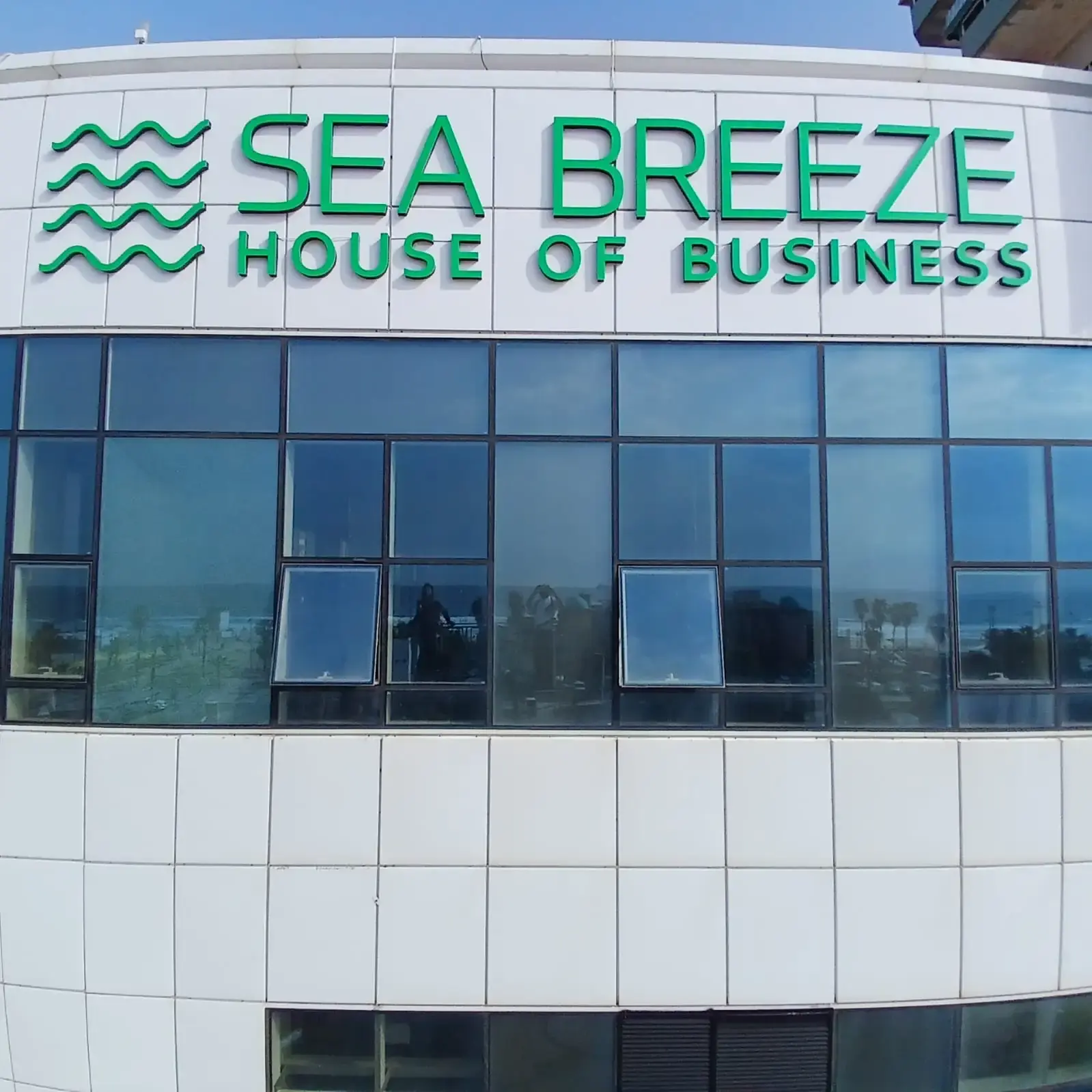
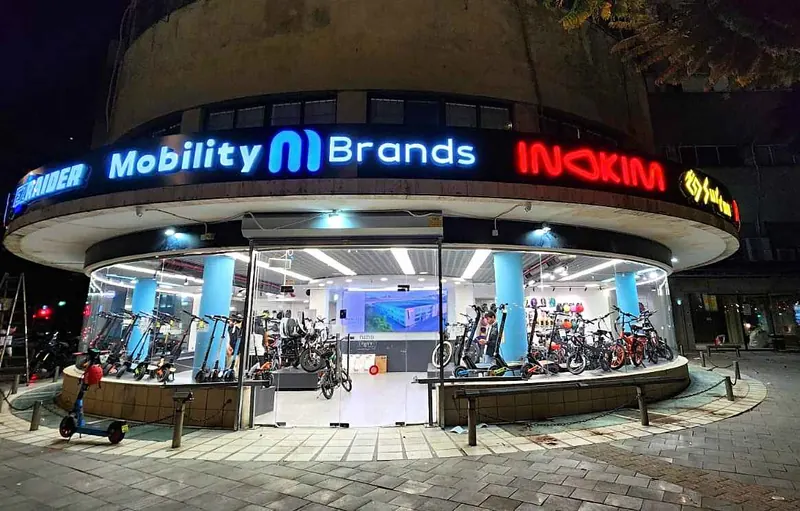
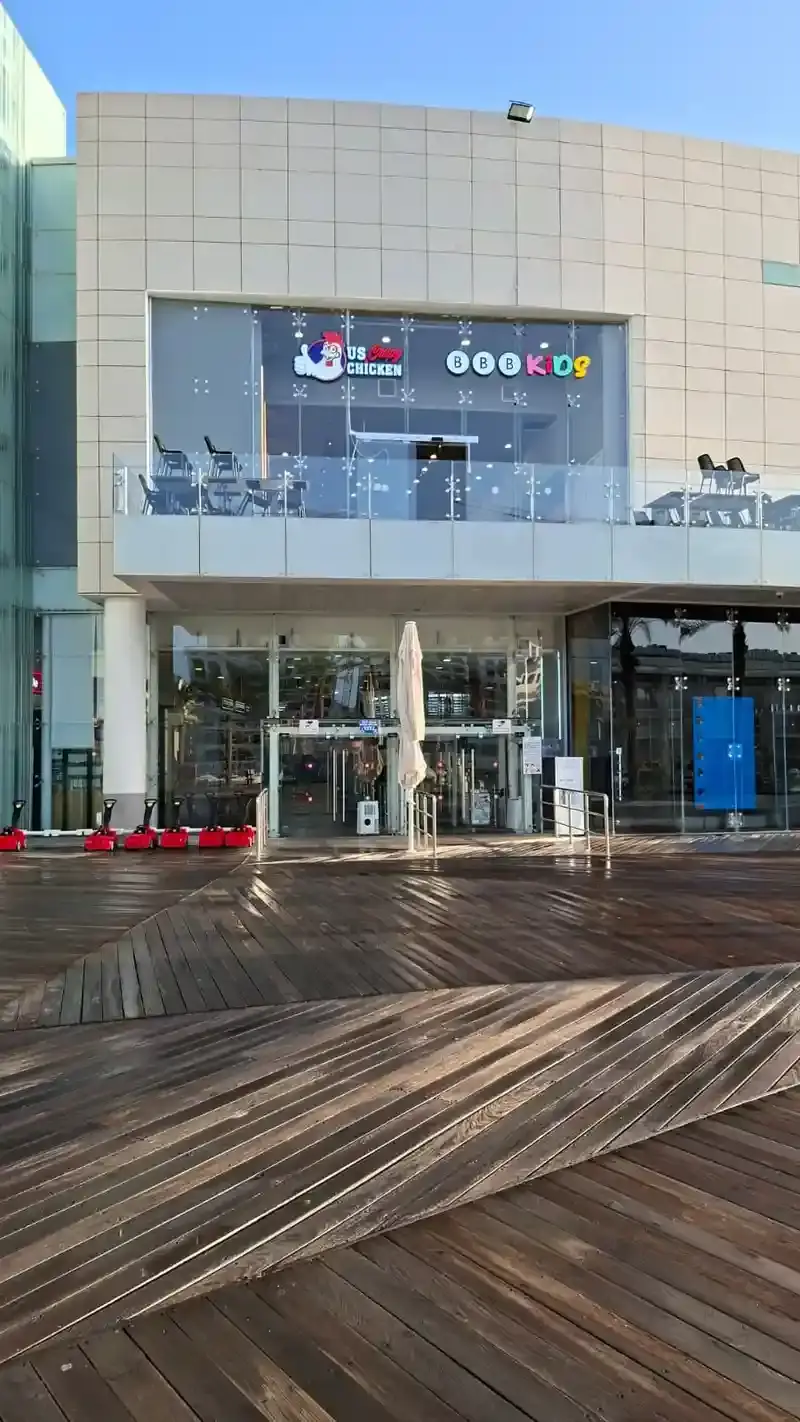
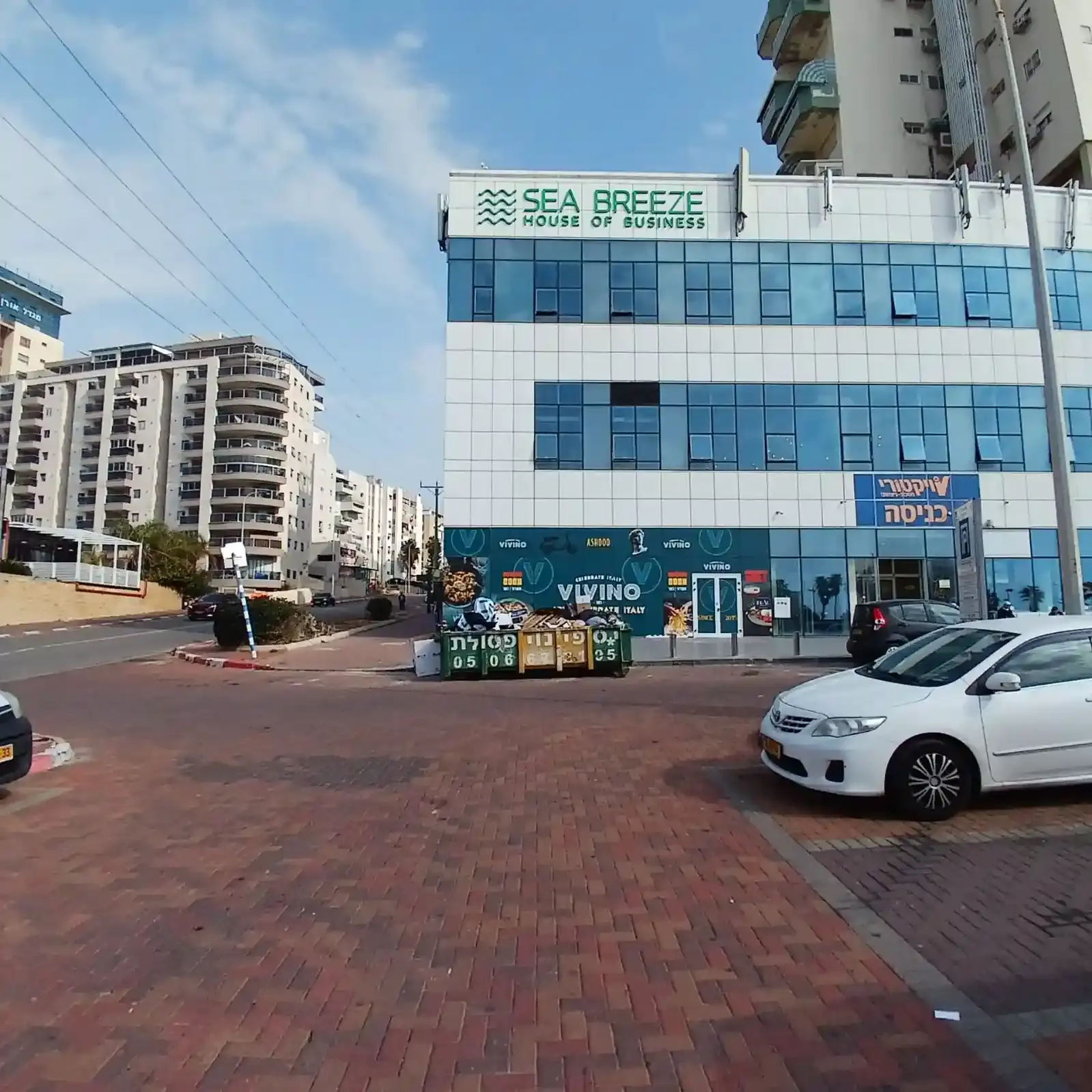
For commercial properties — office buildings, retail centers, mixed-use developments — the building identification sign is a long-term investment. Illuminated channel letters or a lightbox sign with the building name creates a permanent landmark that makes the property easier to find and describe, and more valuable to lease.
Tenants in a named, well-signed building have a better address to put on their business cards and website. A building with a clear, illuminated identity commands higher rents than an anonymous building on the same street. This is consistent with commercial real estate research across markets.
For commercial real estate in Guanacaste, SignWorks recommends illuminated channel letters for building names and lightbox signs for tenant directories. Both are engineered for the tropical climate with IP65-rated electrical components and corrosion-resistant hardware.
Climate Considerations: What Fails and What Lasts
Guanacaste's climate — intense UV radiation, high humidity, seasonal heavy rain, and coastal salt air — is one of the most demanding environments for outdoor signage in the Americas. Materials and construction methods that work in temperate climates often fail within 12–18 months here.
What fails quickly: untreated wood (rots within one rainy season), standard zinc-plated hardware (rusts within months near the coast), bare vinyl without UV laminate (fades and peels within 1–2 years), and standard steel frames without powder coating or galvanization (rusts within 1–3 years depending on proximity to the ocean).
What lasts: 2mm+ aluminum panels, UV-laminated or UV-printed graphics, stainless steel or hot-dip galvanized hardware, powder-coated steel frames, and ACM panels. For illuminated signs, IP65-rated LED modules and weatherproof conduit are required in this climate.
Every outdoor sign we produce uses UV-resistant inks and corrosion-resistant hardware rated for tropical coastal use.
Working with Real Estate Agencies and Developers
SignWorks works with real estate agencies, individual agents, property developers, and property management companies throughout Guanacaste. We offer volume pricing for agencies that need consistent signage across multiple listings, and project pricing for developments that need a complete signage package: entrance signs, directional signs and building identification.
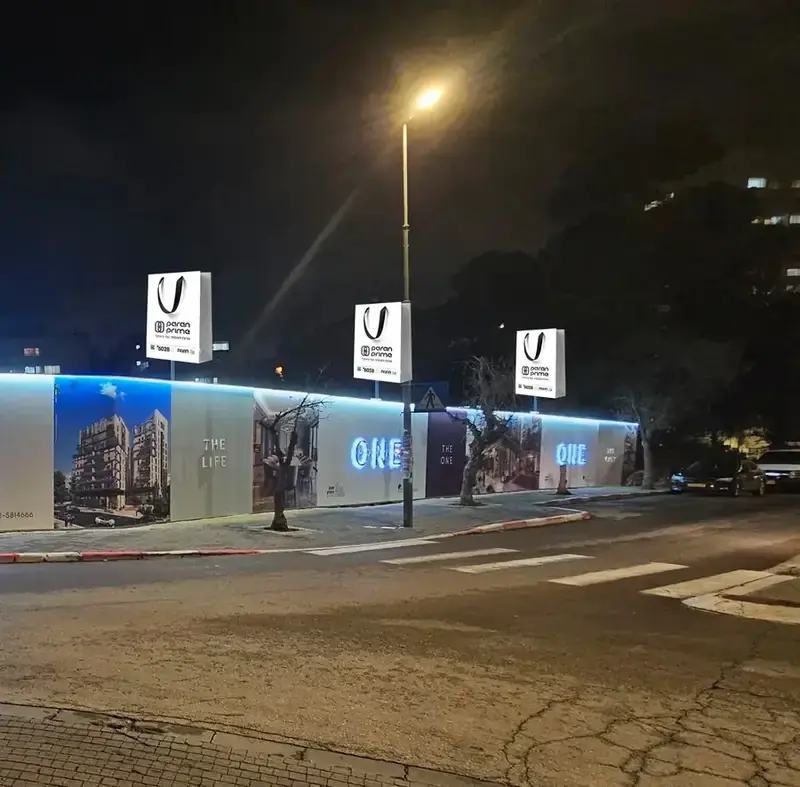
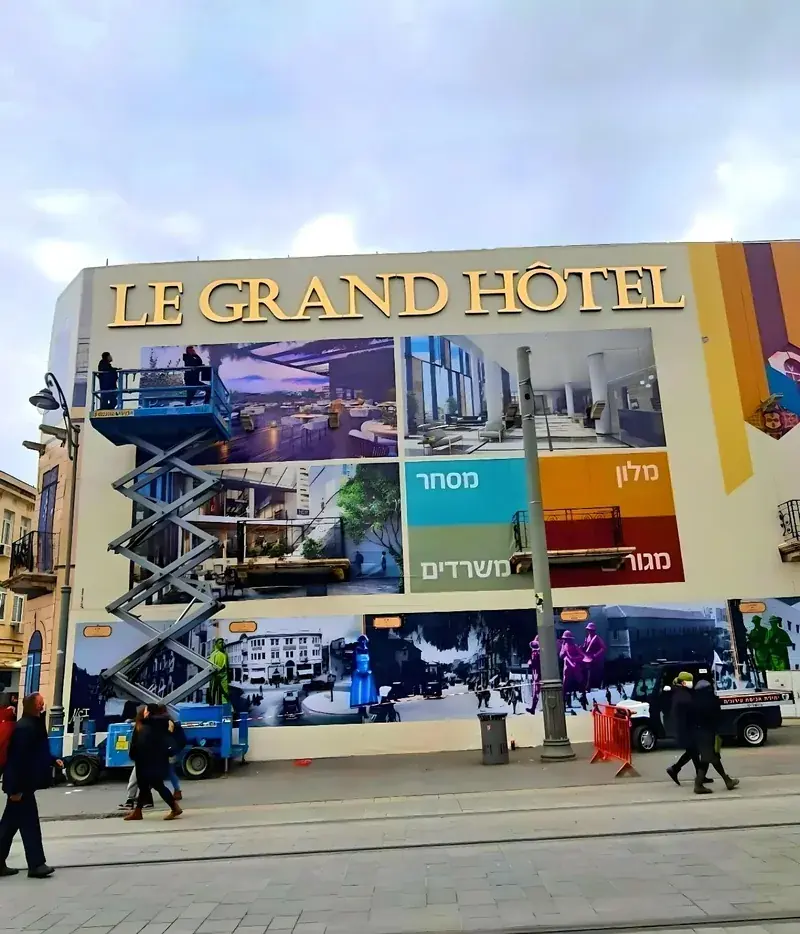
For agencies: we can produce a standard for-sale sign template that keeps every listing on-brand while the property details change. For developers: we offer a full signage consultation that covers entrance signs, directional signs, building ID, and construction hoarding — all in a consistent visual identity.
Every project starts with a site visit or detailed brief. We provide a complete specification quote so you know exactly what you are getting before you approve anything.