The Hidden Cost of an Invisible Façade
Most retail owners treat their shop sign as an afterthought, a mandatory expense to tick off before opening day. If your façade says nothing at a glance, you are turning away paying customers every hour of the day.
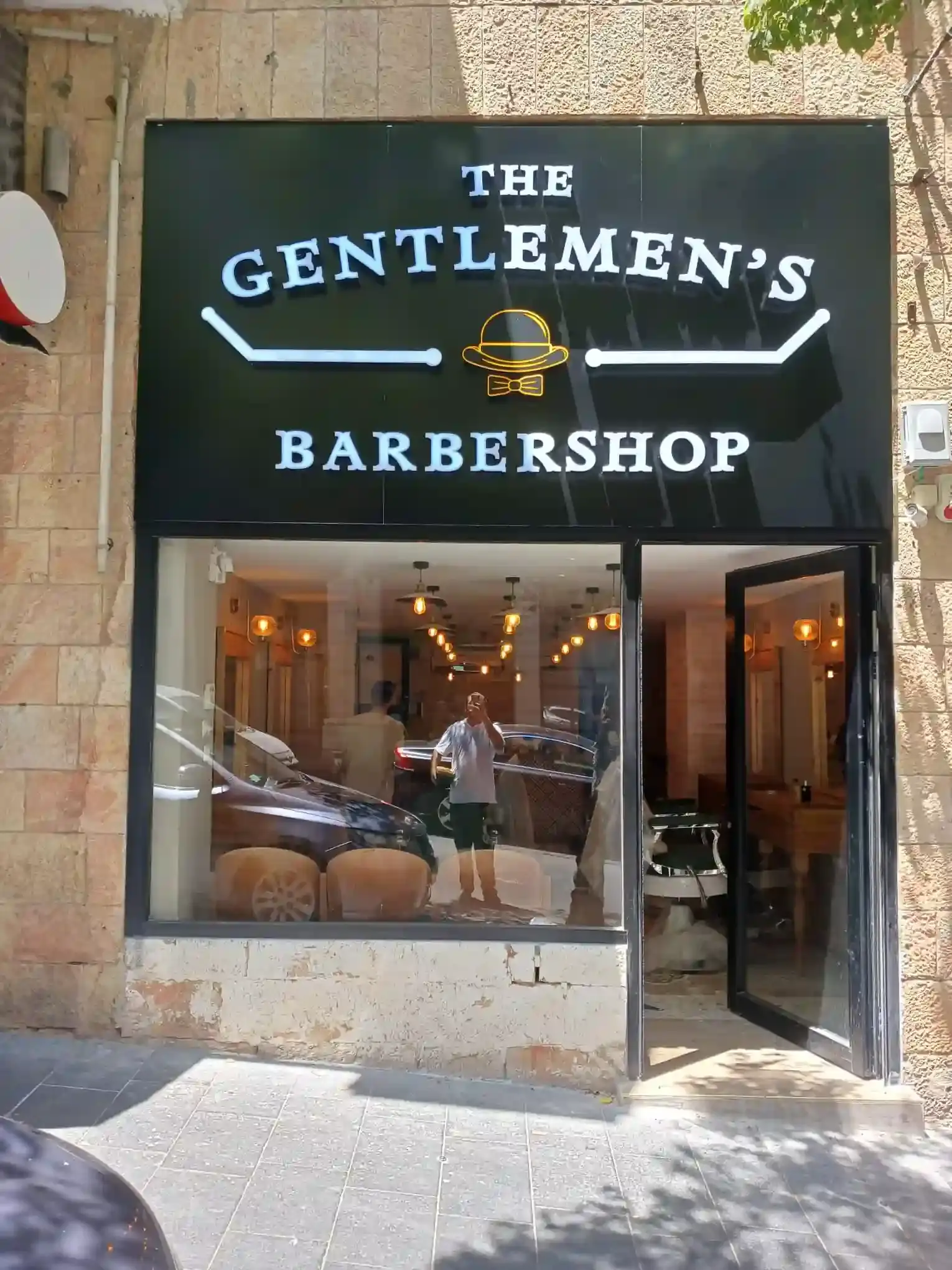
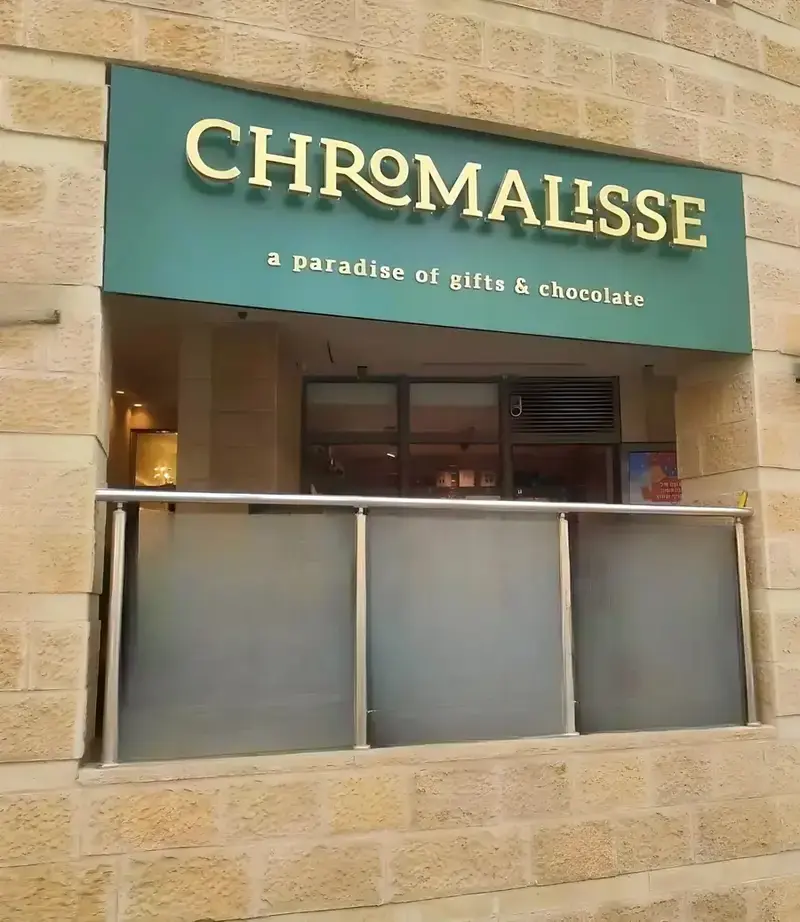
People passing your shop are distracted: on their phones, in traffic or mid-conversation. A faded or poorly lit sign does not break through that. A high-contrast, well-lit sign does, and it tells them the business inside is established.
Illuminated vs. Printed: Understanding the Difference
The main job of a shop sign is contrast with its surroundings. During the day, a printed sign or a 3D architectural sign gets it from depth and shadow. After sunset, that changes.
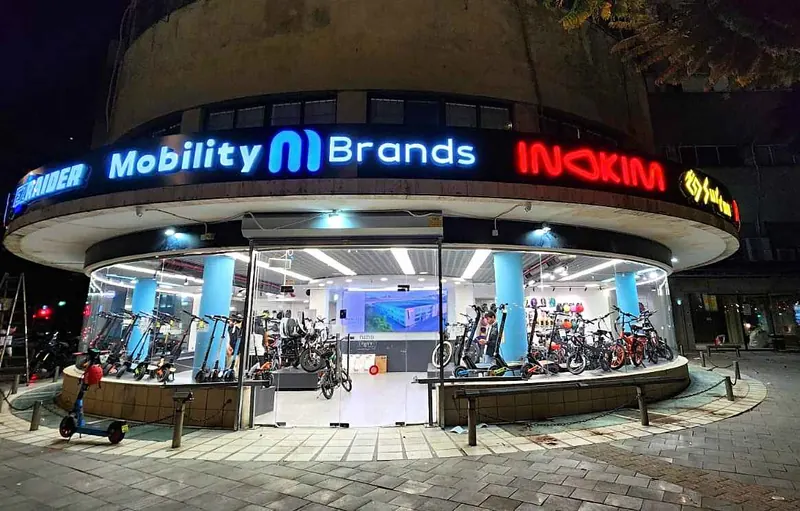
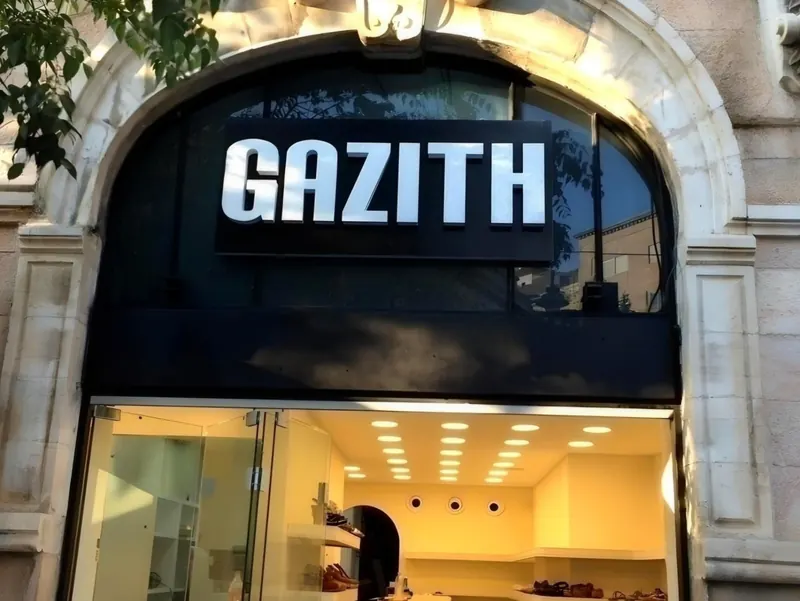
When neighbouring businesses fade into shadow, a lit LED channel-letter sign is the one people see. It extends your selling hours and reaches passers-by who did not notice your business during the day.
Stop Renting Attention. Start Owning It.
Many business owners spend thousands of dollars a month on social media ads, local SEO and print marketing. Meanwhile, they neglect the asset they already control: the façade of their building.
A shop sign is a one-time investment. It needs no monthly ad spend and no management. It works day and night on the people closest to buying: those already standing near your store.
What Makes a Shop Sign Work in Costa Rica's Climate
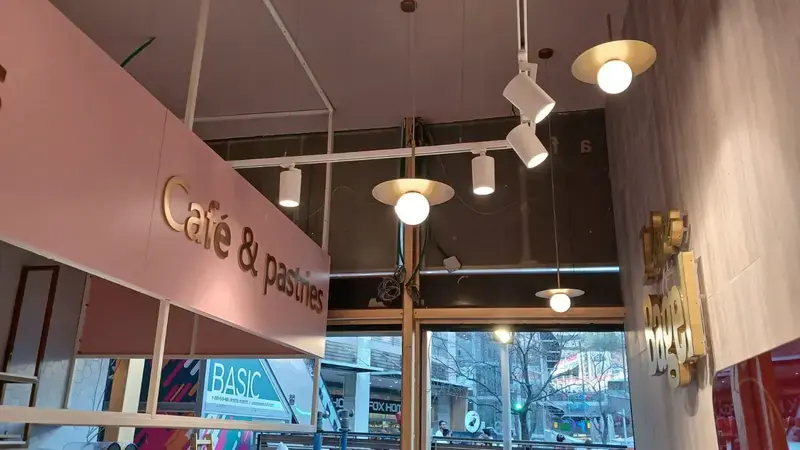
The tropical environment of Guanacaste presents specific challenges that a standard shop sign is not built to handle. Salt air from the coast accelerates corrosion on exposed metal. UV radiation at this latitude bleaches printed graphics far faster than in temperate climates. Humidity cycles between dry season and rainy season stress adhesives and electrical connections.
A shop sign built for this environment uses marine-grade aluminium framing, UV-stabilised acrylic faces, and LED modules with appropriate IP-rated components inside the sign housing. Whether a sign lasts one year or four to five depends on the materials and construction, not the design.
The Right Question to Ask Before You Order
Most business owners ask: 'How much does a shop sign cost?' The better question is: 'How much revenue will this sign generate?' A shop sign priced at $1,200 that drives three additional customers per day — at an average transaction of $25 — pays for itself in under two weeks. After that, every customer it brings in is pure margin.
Before you spend more on digital ads, look at your façade.