Understanding the World of Signs
Signs are the silent ambassadors of your brand. They communicate your identity, guide your customers, and establish your presence in the physical world. In a competitive business environment, understanding the different types of signs and their specific applications is the first step toward creating a successful visual marketing strategy.
Main Categories of Business Signs
The signage industry has evolved significantly, offering solutions for every architectural style and budget. Here are the most effective types of signs used by modern businesses:
1. 3D Channel Letters
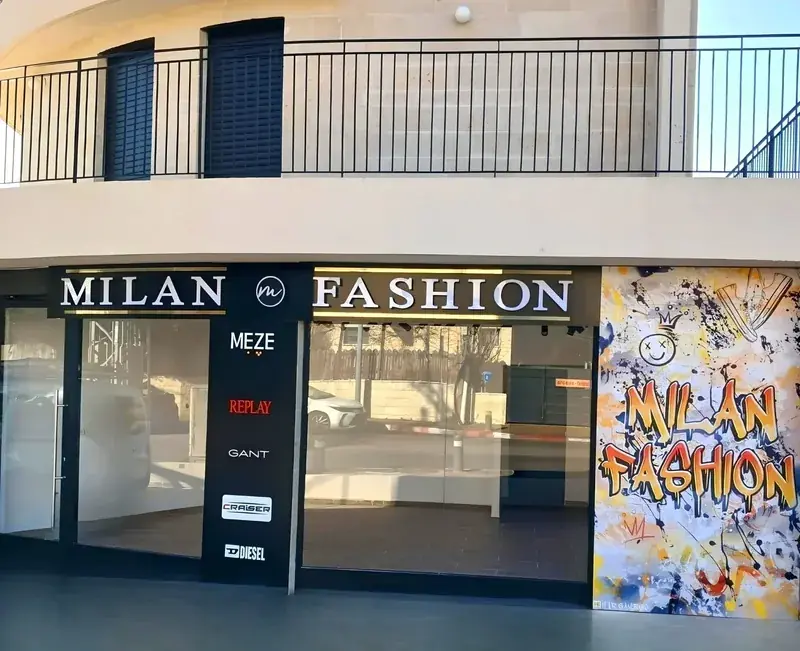
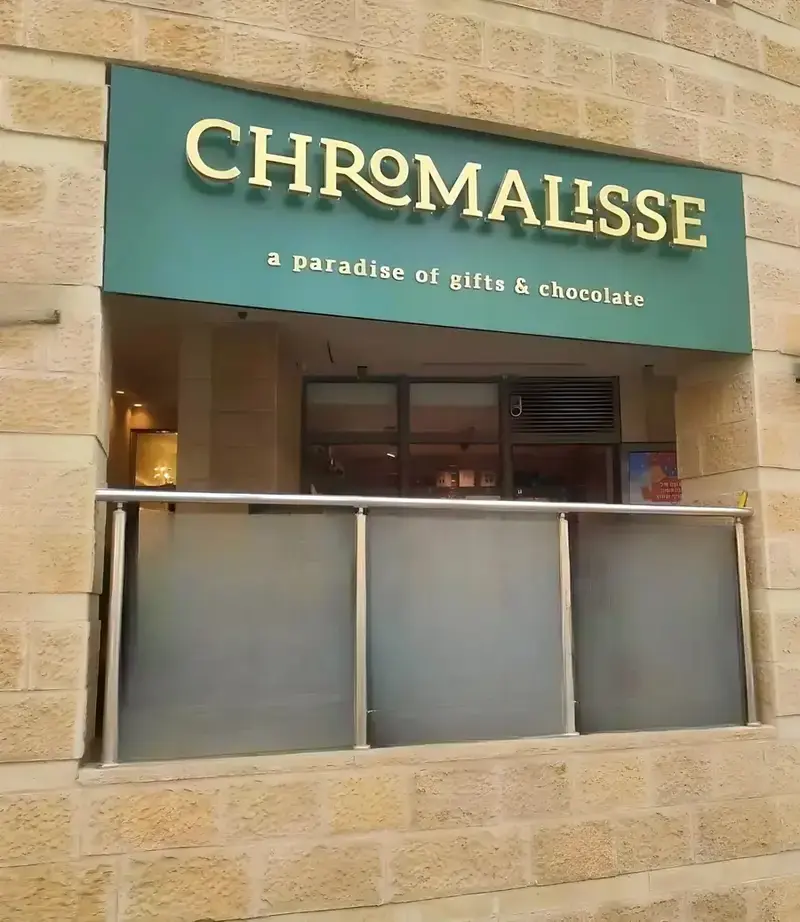
Channel letters are individual, three-dimensional letters typically crafted from aluminum and acrylic. They are the gold standard for retail and corporate business signs. Because each letter is a separate unit, they offer a highly premium, architectural look. They can be illuminated from the front (front-lit) or from behind (halo-lit) to create a sophisticated glowing effect against the building facade.
2. Lightboxes (Cabinet Signs)
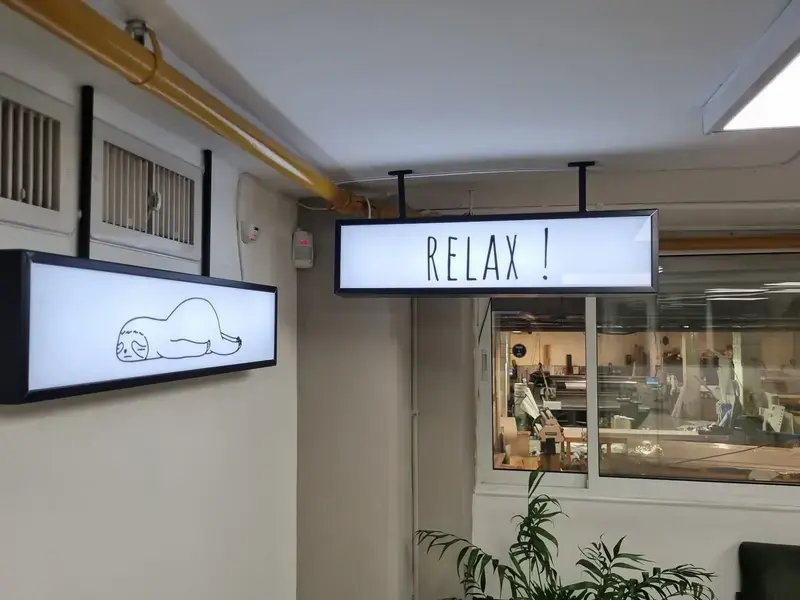
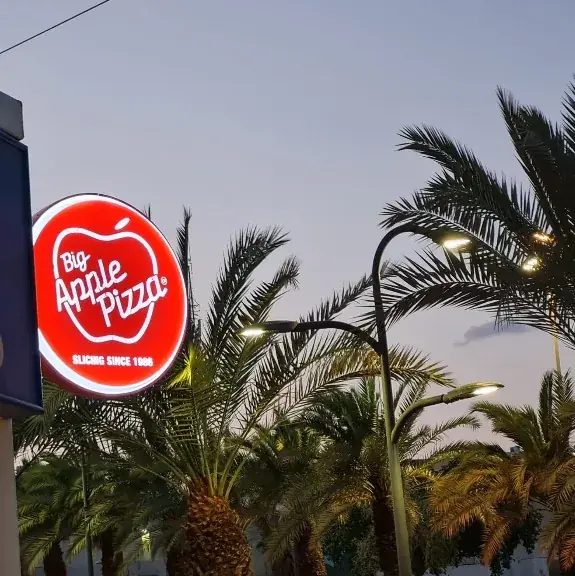
A lightbox is a structured cabinet, usually made of aluminum, with a translucent acrylic or polycarbonate face. Internal LED modules illuminate the entire face evenly. Lightboxes are incredibly versatile and cost-effective, allowing for complex, full-color printed graphics to be displayed brilliantly at night.
3. Pylon and Monument Signs
When your business is set back from the road or located in a large plaza, building-mounted signs might not be enough. Pylon signs are tall, freestanding structures designed to catch the eye of fast-moving traffic. Monument signs serve a similar purpose but are lower to the ground, offering a more integrated, landscaping-friendly appearance.
Materials and Climate Considerations
Designing signs for Costa Rica requires specific engineering. The combination of intense UV radiation, heavy seasonal rains, and coastal salt air creates a uniquely harsh environment for exterior signage.
To ensure longevity, professional signs must be constructed using rust-proof materials like aluminum and stainless steel. All electrical components, especially LED modules and power supplies, must carry an IP65 or higher waterproof rating. Furthermore, any printed elements must utilize UV-cured inks to prevent the rapid fading commonly seen on cheaper signs. For a deeper dive into climate-specific signage, explore our guide on illuminated signs in Guanacaste.
The Importance of LED Technology
Modern signs rely almost exclusively on LED technology, and for good reason. LEDs consume up to 80% less energy than traditional fluorescent or neon tubes, dramatically reducing operational costs. They also boast lifespans exceeding 50,000 hours and perform exceptionally well in extreme weather conditions.
Investing in high-quality signs is not just about aesthetics; it is about ensuring your business remains visible, professional, and inviting for years to come.