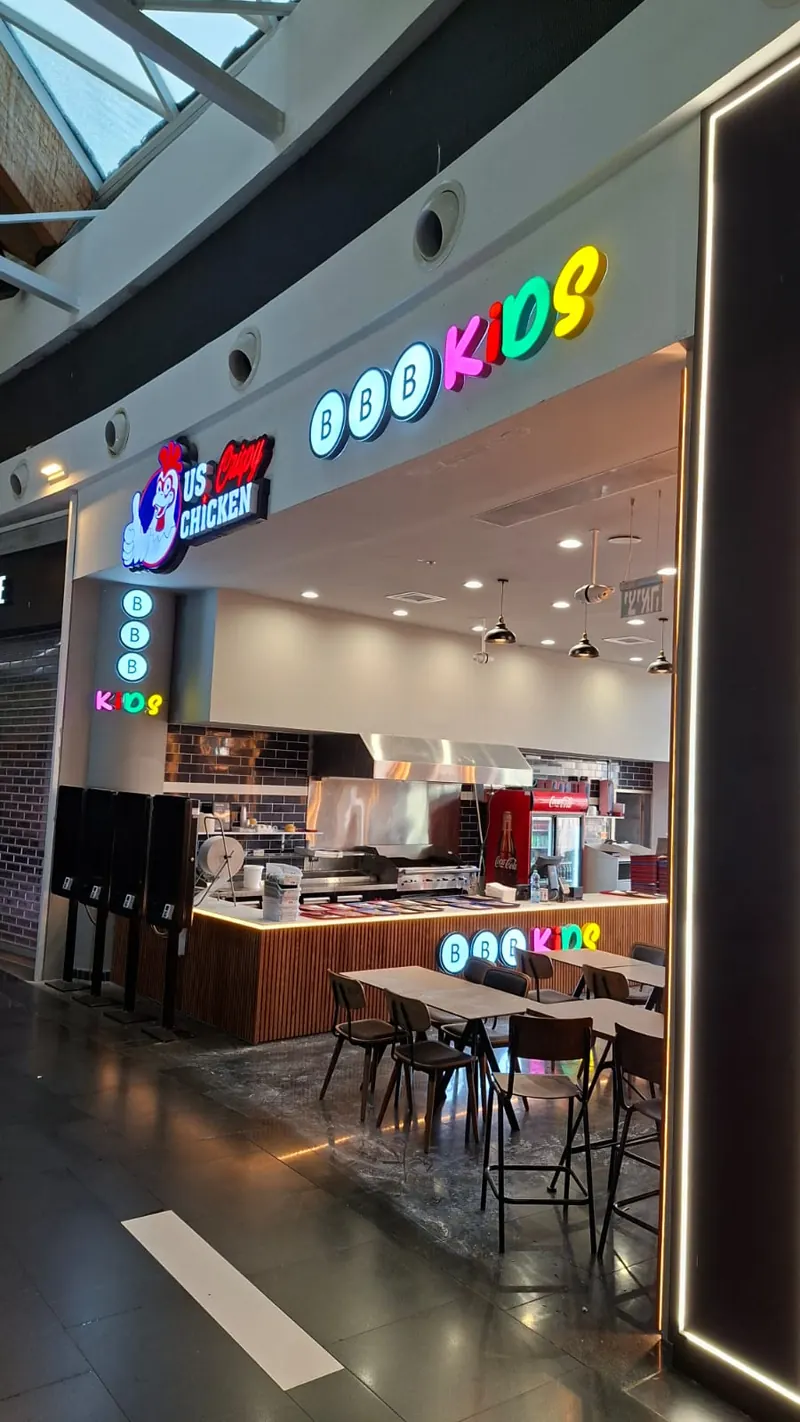
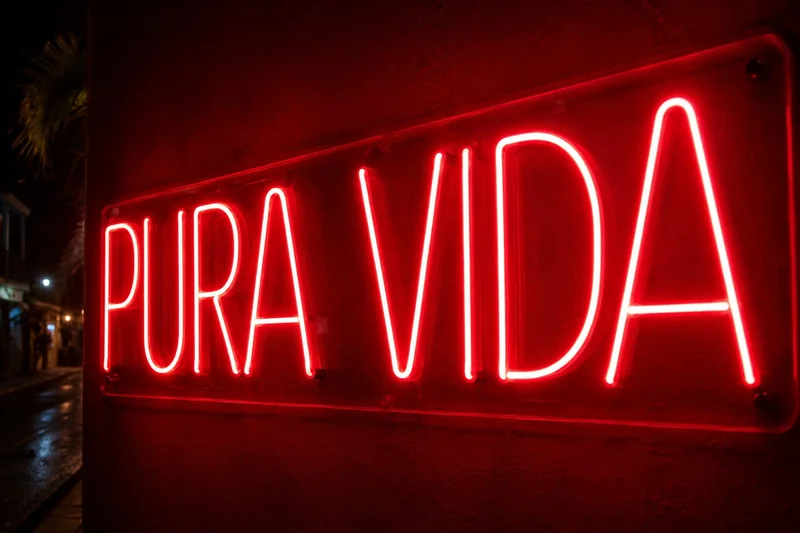
During the day, color, size and location make a sign visible. At night the sign has to light itself. That is what a lightbox does for restaurants, shops, clinics, hotels and service businesses that stay open after dark.
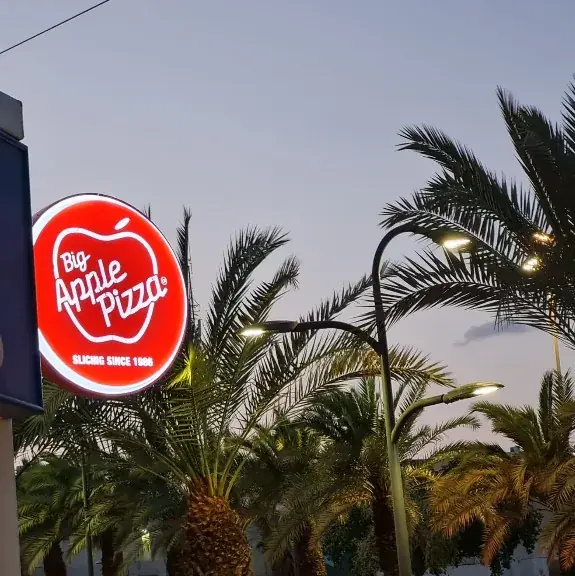
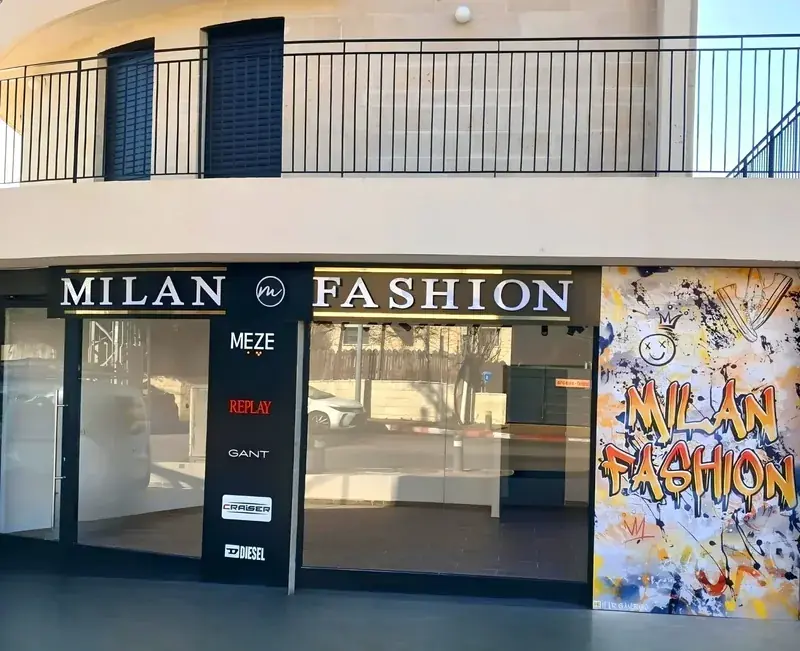
In Costa Rica, lightbox signs are especially useful in commercial areas where customers make decisions while driving or walking in the evening. A dark storefront can look closed even when it is open. A lit sign tells people the business is open and where it is.
What Is a Lightbox Sign?
A lightbox is a sign cabinet, usually built from aluminum or another rigid structure, with LED modules inside and a translucent face on the front. The face can show a logo, full-color graphic, letters or brand pattern. When the LEDs turn on, the graphic glows evenly and remains visible at night.
A lightbox carries full-color artwork, works on most storefronts, and usually costs less than large custom channel letters. A lightbox can be wall-mounted, installed above a storefront, integrated into a facade, or built as a projecting double-sided sign.
When a Lightbox Is the Right Choice
A lightbox is a strong choice when the business needs night visibility, clear branding and full-color graphics in one sign. Restaurants, convenience stores, clinics, salons, clothing stores, ice cream shops, pharmacies and small hotels often use this format because it reads quickly and stays visible after sunset.
It is also practical when the brand includes colors, illustrations or food photography that would be difficult to reproduce with individual illuminated letters.
Single-Sided, Double-Sided and Projecting Lightboxes
A single-sided lightbox is installed flat against a wall or facade. It works well when customers approach from the front, such as in plazas, storefront rows or building entrances. A double-sided projecting lightbox, sometimes called a flag sign, extends out from the facade and can be seen from both directions along the street.
For narrow streets, sidewalks and areas with pedestrian traffic, projecting lightboxes are often more useful than flat signs because people do not need to stand directly in front of the business to notice it. The best choice depends on traffic direction, facade depth, mounting permissions and the distance from which the sign must be seen.
Lightbox vs. Illuminated Letters
Lightboxes and illuminated letters solve different problems. A lightbox creates a clean illuminated panel with high visibility and full graphic flexibility. Illuminated letters create a more dimensional, architectural and premium appearance. The right choice depends on the location and the brand.
If the goal is maximum clarity with a controlled budget, a lightbox may be the best answer. If the business wants a high-end facade, luxury feel or strong depth, illuminated letters may be worth the investment. Many facades combine both: a lightbox for secondary information and dimensional letters for the main brand name.


What Makes a Lightbox Look Professional?
A well-made lightbox has even illumination without dark spots, a clean cabinet, strong corners, correct LED spacing, proper power supply, and a face material that diffuses light well. If the LEDs are too close to the face or unevenly spaced, the sign can show bright dots or shadows, which makes it look cheap.
The artwork also matters. Fine text, low-contrast colors and busy backgrounds can become harder to read when illuminated. Strong logos, clear typography and simple color separation usually perform better. Check the design lit, not just printed.
Durability in Costa Rica
Outdoor lightboxes in Costa Rica must handle heat, humidity, rain, insects, dust and coastal air in many regions. The cabinet should be built to protect the electrical components while allowing realistic service access. LEDs and power supplies must be chosen for reliability, and the mounting structure must match the wall or facade.
Cheap lightboxes often fail because of poor sealing, weak cabinets, low-quality LEDs or difficult maintenance access. A sign that looks inexpensive on day one can become more expensive if it fills with water, fades quickly or needs frequent repair.
Where Lightboxes Work Best
Lightboxes work well for restaurants, retail stores, supermarkets, clinics, pharmacies, beauty salons, hotels, bars, reception areas and any business that depends on evening visibility. They are also useful inside shopping centers, food courts and commercial plazas where illuminated identification helps people choose quickly.
For coastal and tourism areas, night visibility can directly affect walk-in traffic. A restaurant near the street, a hotel entrance on a darker road, or a shop inside a plaza may lose customers simply because people do not see it in time. A lightbox keeps the name readable in low light.
How to Plan a Lightbox Before Ordering
Before requesting a quote, photograph the facade during the day and at night. Measure the available wall area, note where electrical access exists, and explain whether the sign must be seen from cars, pedestrians or both. If the sign will project from the wall, check whether the location allows that type of installation.
With that, we can recommend the size, cabinet type, face material and lighting.