Illuminated Signs & LED Letters
An illuminated sign is the part of a business that keeps working after the sun goes down. In Costa Rica it is dark by six most of the year, and a facade that disappears at night is invisible for half the hours a restaurant, a bar or a pharmacy is open. The guides collected here cover the ways SignWorks builds light into a sign — front-lit channel letters, halo-lit letters, lightbox cabinets and free-form illuminated objects for interiors — and the CNC cutting that shapes all of them.
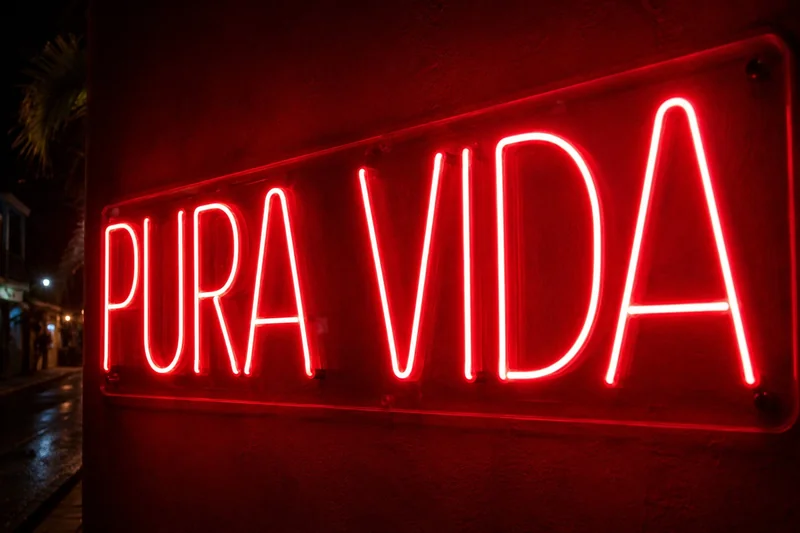
Each format solves a different problem. Channel letters give a facade depth and read cleanly from across a street. A lightbox cabinet puts a whole logo and a line of text on one bright face, and is usually the cheaper way to cover a wide fascia. Halo lighting is quieter, and suits hotels and clinics that want presence without glare. Indoors, illuminated letters and 3D objects do a different job again: they photograph well, and a sign customers photograph is advertising you do not pay for twice.
What these articles keep returning to is the specification, not the style. LED modules rated for up to 50,000 hours only reach that figure when the power supply, the sealing and the mounting are chosen for a humid, salty, tropical climate. The guides below explain what to ask for, what each format costs to build in Costa Rica, and how to tell a sign that will still look new in seven years from one that will not.