Guanacaste gets talked about as one place, and for signage it is at least two. There is the coast — Tamarindo, Flamingo, Potrero, Playa del Coco, Ocotal, Hermosa, Papagayo, Brasilito, Conchal, Playa Grande, Avellanas, Junquillal, Sámara, Carrillo, Nosara — where salt is in the air every day of the year. And there is the interior: Liberia, Santa Cruz, Nicoya, Villarreal, Huacas, where there is no salt at all and instead a dry season that puts dust on everything and a sun that goes after colour directly.

Adhesive vinyl fails differently in those two places, so the material to ask for is not the same in both.
Inland: Sun and Dust
Away from the water, printed vinyl mostly dies of ultraviolet. Colours shift before they fade — reds go first, then anything with a lot of magenta in it — and a graphic that was red and black in January reads as brown and grey two dry seasons later. It is not the adhesive that gives up; it is the ink and the film.
So inland the specification is about the laminate, not about the tack. A UV laminate over the print is what buys those extra seasons, and it is the single cheapest upgrade in this whole catalogue. The other inland factor is dust: in the dry season fine dust gets into every edge and every screw-head, and on a window graphic it dulls the surface. That is cosmetic rather than structural, and it washes off — but it is why a laminated graphic still looks new after a wash and an unlaminated one does not.
On the Coast: Salt at the Edges
Within sight of the water, the ink usually is not the first thing to go. The edges are. Salt crystallises in the seam at the perimeter of a graphic, humidity follows it in, and the bond lets go from the outside working inwards. The graphic can look perfect in the middle while a centimetre of it has lifted all the way round.
Which is why on the coast the decisive factor is the installation, not the print: a properly cleaned surface and a well-rolled edge is most of the lifespan. Salt air destroys unsuitable materials in months rather than years, and the towns on the Gold Coast are the least forgiving addresses in the province. The detail for that end of the map is in the guide to vinyl in Tamarindo.
Nobody should quote you a guaranteed lifespan near the sea. Salt, humidity and intense sun cause fading and material wear over time even with quality materials. Across our work signs run one to seven years depending on the area, the exposure, the material, and whether they were built to be permanent or temporary.
Cast Vinyl, and When You Actually Need It
There are two grades in circulation. Calendered film is stiffer and cheaper and has a memory that pulls it back towards flat. Cast vinyl is thinner, conforms, and has no memory.
On a flat interior wall or a flat pane of glass, calendered film with a good laminate is perfectly honest work and costs less. On anything curved — a vehicle door, a cooler, a rounded column, a helmet, a bottle — cast vinyl is not an upgrade, it is the requirement, and using the cheaper film there is what produces lifted corners within a season. Ask which one you are being quoted. A supplier who cannot say is quoting the roll they happen to have.
The Four Jobs Worth Doing in Vinyl
Fleet and Vehicles
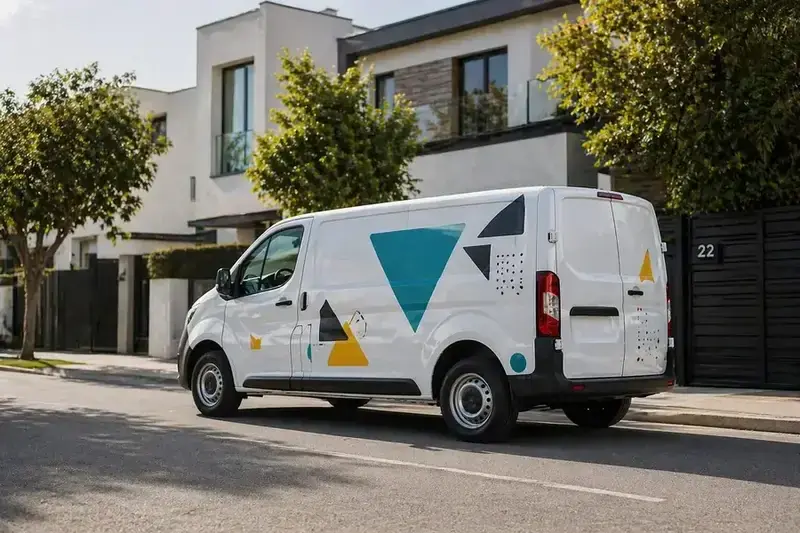
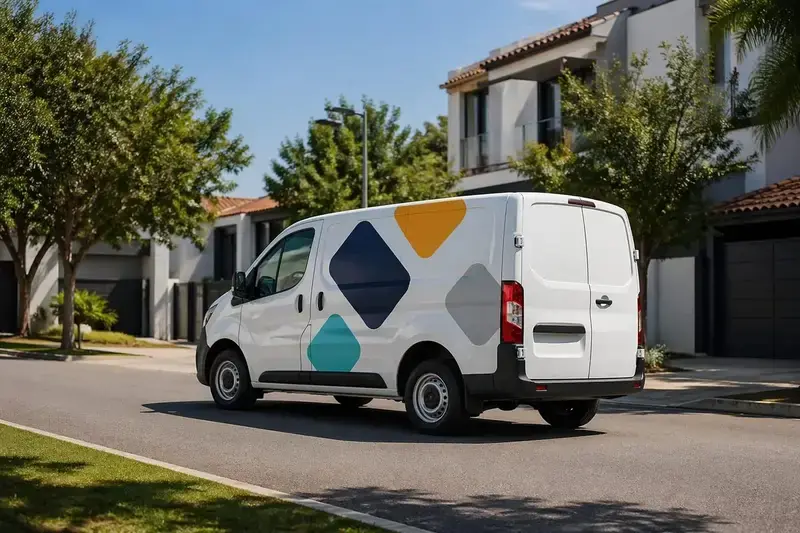
This province is spread out, and businesses here drive. A branded van, pickup or shuttle is seen along the whole route between Liberia and the beaches, every day, for the cost of one installation. Keep it readable at speed: logo, one line saying what you do, one phone number, strong contrast. A design that works as a poster very often does not work on a moving door.

Windows
Hours, a logo, a promotion, a menu. Applied to the inside face of the glass it is protected from weather and hands and lasts much longer. When the window also needs to cut heat or give privacy without going dark inside, the material is microperforado, which is a different film with a different job — the guide to window vinyl and microperforado covers when it is worth it.
Labels and Product Stickers
Coffee, hot sauce, soap, jars, bottles, boxes. Guanacaste produces a great deal that is sold to visitors and then leaves in a suitcase, and a label is the only part of the branding that travels. Contour-cut work costs more than a straight rectangle, and short runs are practical because digital printing has no plates to set up.
Interior Walls
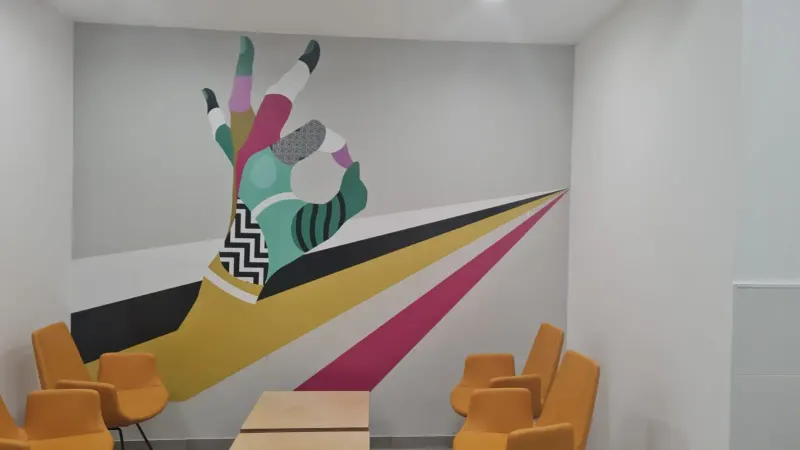
Printed wall vinyl is the cheapest square metre of finish in any building — a restaurant feature wall, a clinic corridor, a hotel corridor, a gym. It has a property painted murals do not: it comes off cleanly, which matters a great deal in a rented space.
What Vinyl Cannot Do
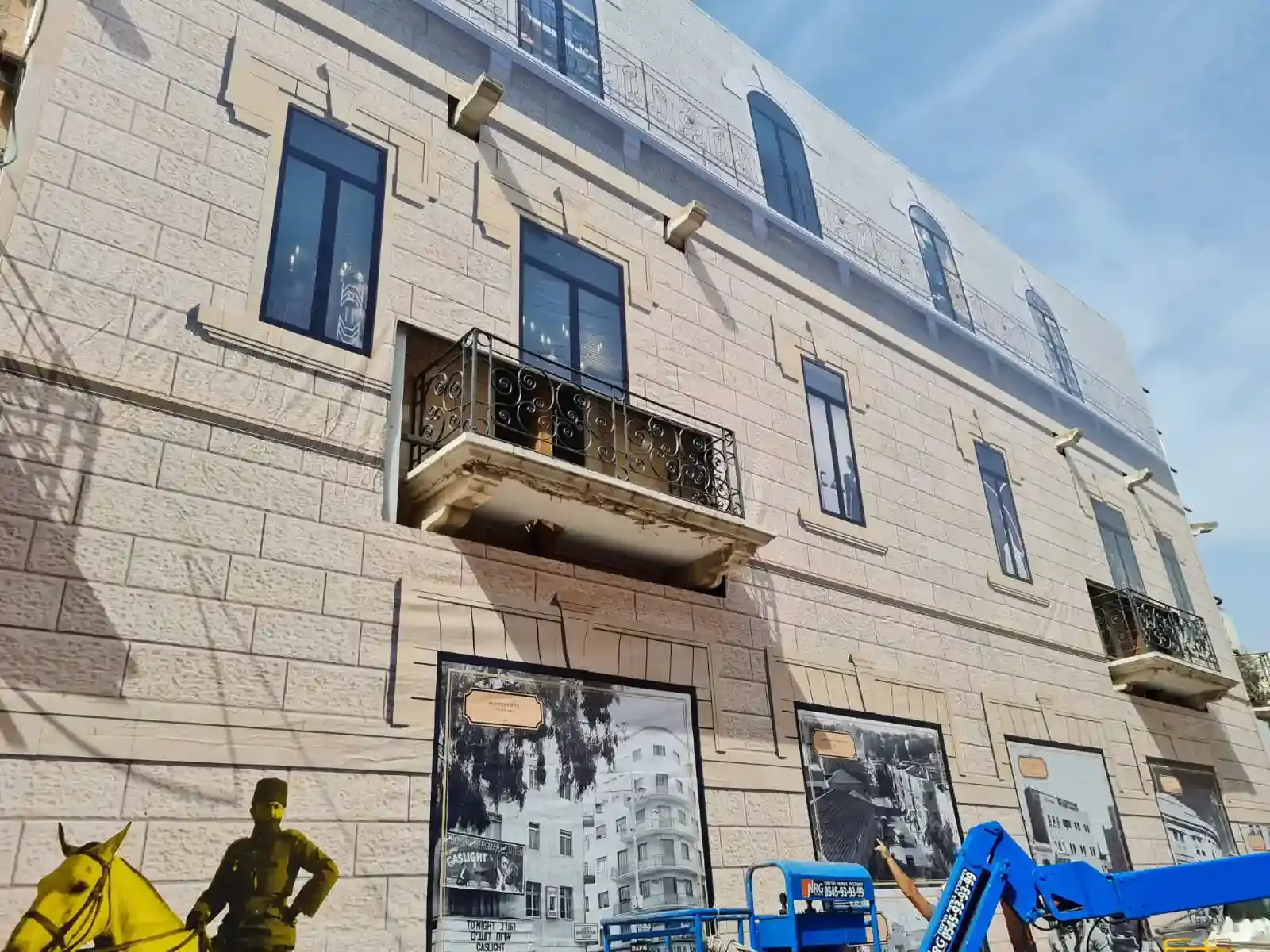
It cannot save a bad surface. Unrendered block, flaking paint, rough timber and rusted metal all telegraph through the film and then release it. On those, the right answer is a printed rigid panel mounted over the wall.
And it is not a permanent exterior identity sign. A fascia over a door, in this sun, wants aluminium composite. Everything about choosing between film, board and panel is laid out in the guide to printed sign materials, and it is worth reading before ordering anything that has to last past next season.
Prices, Timing and Getting It There
Contour-cut work costs more than a straight rectangle, because the cutter has to follow the shape. The price moves with area, quantity, film grade and laminate, and everything carries a six-month warranty, external damage excluded.
Production is 24 hours for most vinyl work, the fastest thing in the catalogue. Installation is scheduled separately and depends on where in the province the job is; the further towns are worth booking earlier, and high season everywhere is worth booking much earlier.
We print in Guanacaste, so nothing is riding on a courier from the Central Valley and nothing arrives creased in a tube. For panels, banners and anything larger that shares the same press, see the UV printing service, or send the size, a photo of the surface and your artwork and we will tell you which film the job wants.
Price Your Own Sign
answers in secondsNo two signs cost the same — size, material, finishing and installation each move the number. Tell Worky what you need and it prices your sign, not an average.
Worky is an AI. Answers may contain errors — always verify with us.