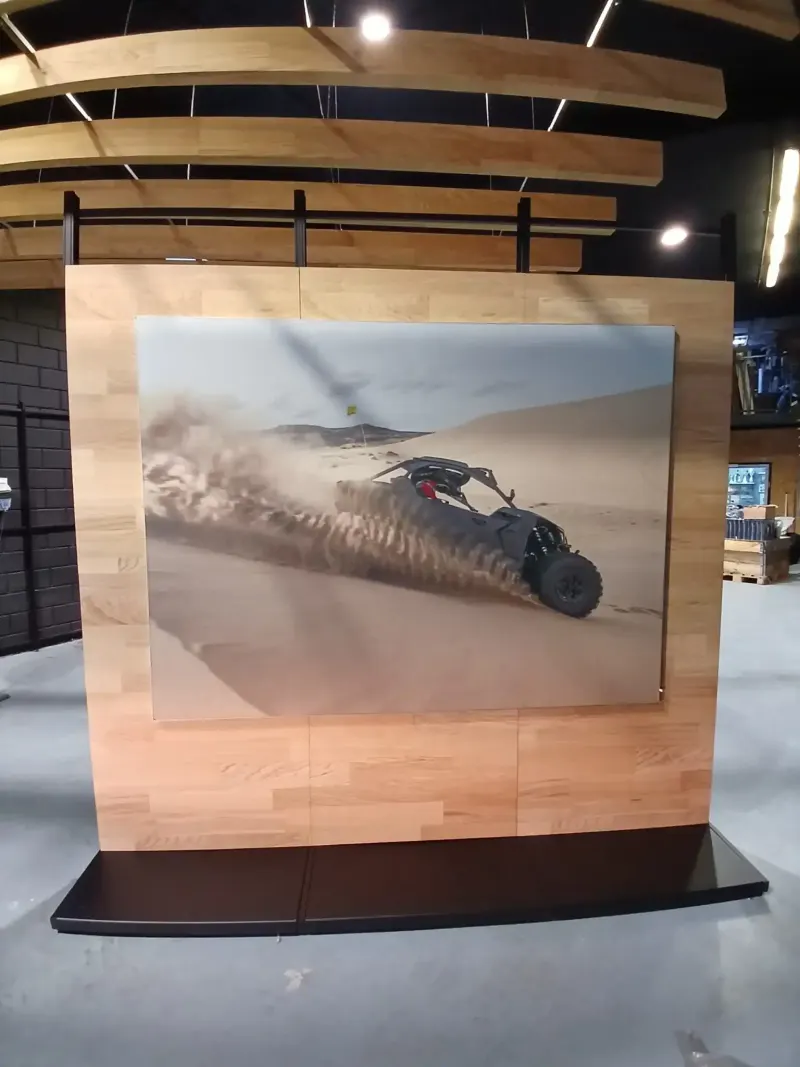
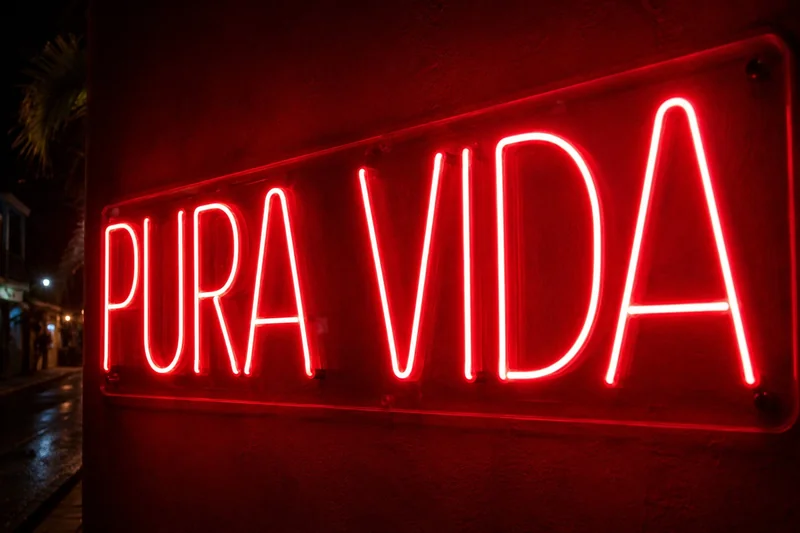
For clear color, clean detail and fast production on rigid or flexible materials, UV printing is often the right tool for business signs in Costa Rica. Whether the sign stays sharp still depends on choosing the right material, ink and finish.

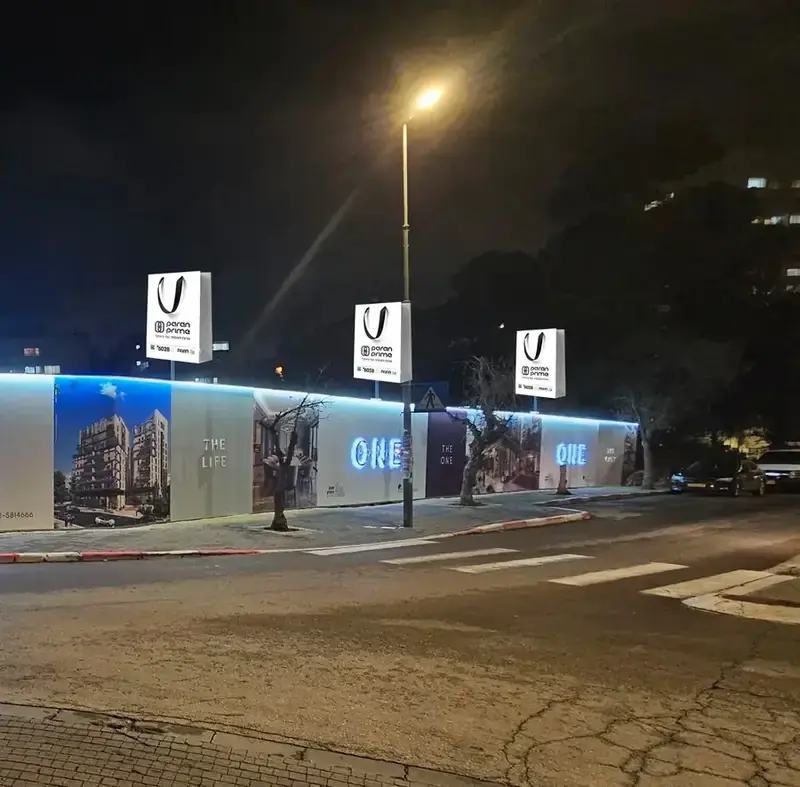
At SignWorks, UV printing is used across many types of signage: PVC board, ACM panels, banners, construction fences, wall graphics, window graphics and larger facade elements. The same machine can produce very different results depending on the material chosen, the installation location and the expected lifespan of the sign. So the decision starts with what the sign is for, not with the print file.
What UV Printing Actually Does
In UV printing, the ink is cured with ultraviolet light during the printing process. Instead of waiting for ink to dry slowly, the printed layer is cured quickly on the surface. This allows detailed graphics to be printed on a wide range of materials with a consistent finish.
The practical benefit is flexibility. A restaurant menu board, a real estate construction panel, a retail wall graphic and a temporary event sign may all use UV printing, but each one should be produced on a different material or with a different installation plan.
UV Printing on PVC Board
PVC board is lightweight, smooth and easy to handle, which makes it useful for indoor signs, promotional displays, temporary panels, menus, event signs and many wall-mounted business graphics. It costs and weighs less than heavier materials.
The limitation is that PVC is not always the best answer for every permanent exterior sign. Large panels exposed to strong sun, heat or structural stress may need a more rigid material. Indoors or in shade it works well; the PVC board guide covers where it fails.
UV Printing on ACM and Rigid Panels
ACM, also called aluminum composite material, is a stronger choice for many exterior signs. It is rigid, relatively lightweight for its strength, and gives a more permanent feel than simple plastic board. UV printed ACM panels are useful for building signs, directional signs, real estate project signage, facade graphics and long-term commercial installations.
When a sign needs to stay flat, resist outdoor conditions and look professional from close range, ACM often justifies the added cost. It is especially useful for storefronts, property developments, industrial sites and hospitality projects where the sign becomes part of the built environment rather than a temporary promotion. The panel itself is covered in the Lokbond ACM guide.
UV Printing for Construction and Real Estate Projects
Before a building is finished, its signs are most of what buyers see of the project. Printed fence panels, sales office graphics, directional signs and branded site boards make a construction area look organized instead of improvised.
For developments in Guanacaste and coastal areas, buyers often see the site before they speak with a sales agent. A clean printed perimeter, the project name and clear contact information make the site look active and managed.
When Vinyl or Banner Printing Makes More Sense
Not every project needs a rigid panel. Vinyl banners are useful for events, temporary promotions, construction announcements, directional messages and large graphics that need to be installed quickly. They are lighter, easier to transport and often more economical for short-term use.
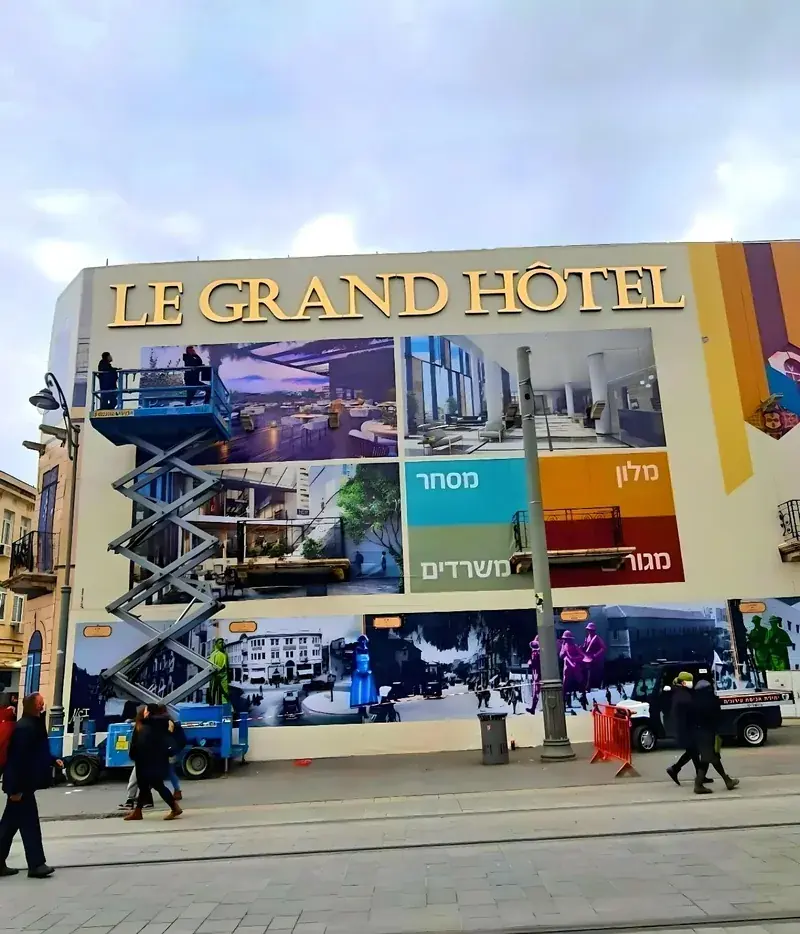
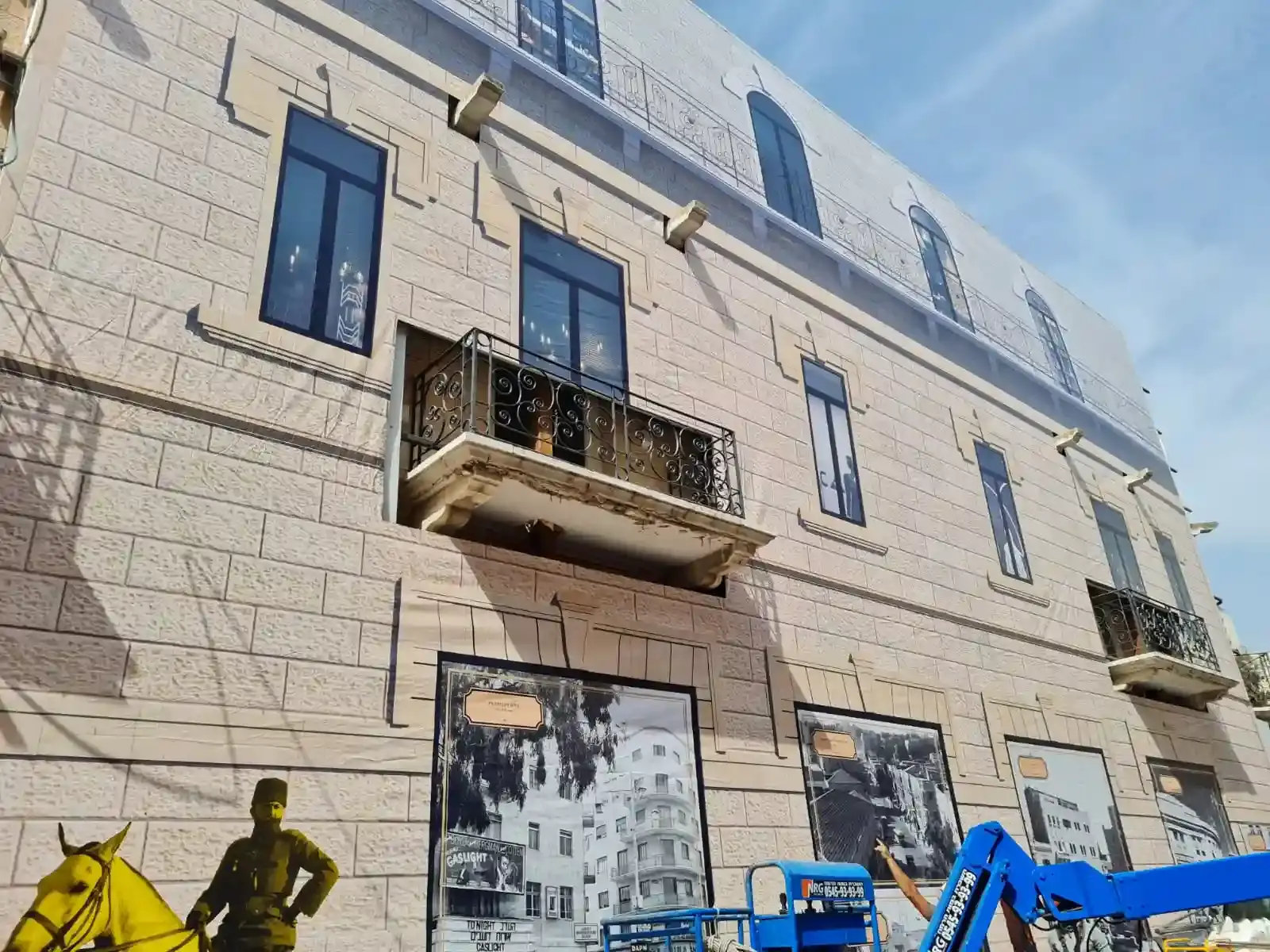
The key is matching the format to the job. A banner is not a permanent facade sign. A PVC board is not always the best long-term exterior panel. ACM may be too much for a one-week promotion. The right material is the one that fits the use, environment and budget, not the most expensive one. Where a banner is the honest answer — and how to finish one so it survives the season — is covered in the guide to printed banners and mesh.
Designing for UV Print Quality
UV printing can produce sharp details, but the artwork must be prepared correctly. Low-resolution logos, compressed images, thin low-contrast text and files built at the wrong scale can reduce the final quality. If the sign will be viewed from a distance, the design should prioritize readability over decoration.
Color also behaves differently across materials. A graphic printed on white PVC will not feel exactly the same as one printed on vinyl or ACM. Matte, gloss and laminated finishes can change how the sign looks under sun or artificial light. Check a proof and the material before production.
Outdoor Conditions in Costa Rica
Costa Rica’s climate is demanding for printed signs. UV exposure, heat, rain, humidity, dust and salt air near the coast all influence material performance. A sign for an indoor reception wall does not need the same material strategy as a beachfront exterior panel or a roadside construction fence.
For outdoor projects, we consider the expected duration, direction of sun exposure, mounting surface, cleaning habits and whether the sign will be exposed to wind or physical contact.
How to Choose the Right Printed Sign Format
Start with the purpose. If the sign is for a short promotion, a banner or lighter board may be enough. If it is for a storefront, ACM or a more permanent panel may be better. If it is for interior branding, PVC board, wall vinyl or acrylic-style solutions may create the right result without overbuilding the project. The same decision, laid out across all four printed materials with what each one costs and survives, is in the guide to choosing a printed sign material.
Then consider viewing distance. A sign read from the road needs larger type and stronger contrast than a sign inside a lobby. A project panel seen from a car needs a different layout than a menu board viewed from one meter away.
What to Prepare Before Requesting a Quote
Before asking for pricing, define where the sign will be installed, whether it is indoor or outdoor, how long it should last, and how close people will be when reading it. Send photos of the location, approximate dimensions, logo files and any brand colors. If the sign will be mounted on a wall, fence or facade, include details about the surface.
With that information, SignWorks can recommend whether UV printing on PVC, ACM, vinyl or another material is the right choice.